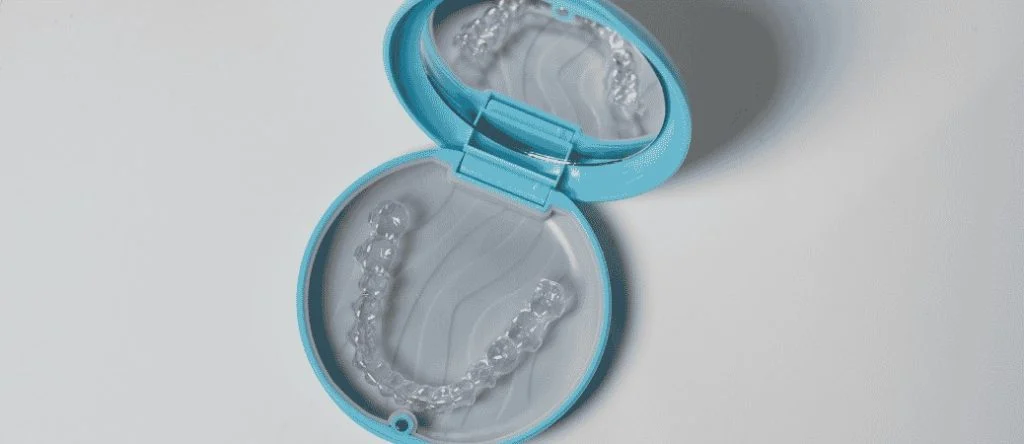


Sensitive teeth don’t mean you have to skip a brighter smile. You can whiten your teeth safely by choosing gentler ingredients, using lower strength treatments, and giving your teeth breaks between sessions.
Many people with sensitive teeth think whitening is off the table, but that’s not true.
You just need to know which teeth whitening options work best for your mouth. Whitening can cause a temporary zing or sting because the ingredients open tiny pathways in your teeth that reach the nerve.
This happens to many people, not just those who already have sensitive teeth, so you’re not alone if you’ve felt it before.
The good news is you have more choices than ever. From gentler at-home kits to treatments made just for sensitive smiles, you can find a method that fits your comfort level.
This article walks you through your options, so you can pick a whitening plan that feels right for you.
Key Takeaways
- Whitening products can cause short-term sensitivity because they reach the nerve inside your teeth.
- Picking the right ingredients and gentle at-home products can help you whiten with less discomfort.
- A dentist can guide you toward professional treatments if your sensitivity needs extra care.
Table of Content
- Why Whitening Can Trigger Sensitivity
- Choose the Right Whitening Ingredients
- Compare Gentle At-Home Whitening Options
- Use Whitening Treatments Without the Zing
- Know When Professional Care Is the Better Choice
- Frequently Asked Questions
Why Whitening Can Trigger Sensitivity
Whitening products bleach your teeth using chemicals that can reach the inner layer of your tooth. This can lead to two different types of pain, and knowing the difference helps you pick the safest whitening method for you.
Bleaching Sensitivity vs. Dentin Sensitivity
Not all tooth pain from whitening is the same. Bleaching sensitivity happens when the whitening gel temporarily irritates the nerve inside your tooth.
This type of pain is usually short-term and goes away once you stop using the product.
Dentin sensitivity is different. It happens when the dentin layer under your enamel gets exposed. Dentin has tiny tubes that lead straight to the nerve, so it reacts fast to hot, cold, or sweet foods.
Here’s a quick way to tell them apart:
- Bleaching sensitivity: Comes on during or right after whitening, feels like a zap or ache, and fades within a day or two.
- Dentin sensitivity: Lasts longer, gets triggered by acidic foods or cold drinks, and can point to a bigger problem with your enamel.
When Thin Enamel and Exposed Dentin Raise Risk
Your enamel is the hard outer shell that protects your teeth. When it gets thin from age, acid, or hard brushing, the dentin underneath becomes exposed.
This matters a lot when you whiten your teeth. Whitening gel can seep through thin enamel faster, which means it reaches the nerve more easily.
If you already have exposed dentin, whitening can make sensitivity worse instead of just causing a mild, short-term reaction.
You might notice this if your teeth already hurt with cold air or sugary snacks, even before whitening. In that case, your enamel may already be thinner than average, and you’ll want to be extra careful with any bleaching product.
Dental Problems to Treat Before Whitening
Some dental issues can make whitening painful or even risky. It’s a good idea to get these checked out and treated first.
Common problems to watch for include:
- Cavities: Whitening gel can seep into a cavity and irritate the nerve.
- Gum disease: This can lead to sore or sensitive gums that react badly to whitening chemicals.
- Gum irritation or recession: Whitening gel touching irritated gum tissue can cause a burning feeling.
- Cracked teeth: Cracks can let whitening ingredients reach the dentin or nerve directly.
Treating these problems first helps you avoid unnecessary pain later. A dentist can spot early signs of trouble and suggest safe whitening options that work well with your specific needs.
Choose the Right Whitening Ingredients
Not all whitening products are the same, and the ingredients inside them can make a big difference in how your teeth feel.
Knowing what’s in a whitening product helps you pick one that brightens your smile without causing pain.

Hydrogen Peroxide and Carbamide Peroxide
Most whitening products use peroxide as the main active ingredient. Hydrogen peroxide works fast and gives quick results, but it can also cause the most sensitivity.
Carbamide peroxide breaks down into hydrogen peroxide and urea. It works more slowly, which often means less irritation for your teeth and gums.
If you have sensitive teeth, look for products with lower peroxide levels. A lower percentage still whitens your teeth, just at a slower pace.
This gentler approach gives your teeth time to adjust without the sharp, sudden pain some whitening agents can cause.
Desensitizing Ingredients That Help
Some products add ingredients to protect your teeth while they whiten. Potassium nitrate is one of the most common. It calms the nerves inside your teeth, which can reduce pain.
Fluoride and stannous fluoride also help by strengthening your enamel. Stronger enamel means peroxide has a harder time reaching the sensitive parts of your tooth.
You might also see phosphate listed in some formulas. It helps fill in tiny gaps in your enamel, blocking pathways that cause pain.
Many whitening kits pair these ingredients with a desensitizing gel you apply before or after treatment. This gel creates a protective layer that reduces discomfort, so you can whiten your smile without wincing.
What Peroxide-Free Alternatives Can and Cannot Do
If peroxide bothers your teeth, peroxide-free whitening options exist. PAP, short for phthalimidoperoxy caproic acid, is a newer ingredient that whitens teeth without the sensitivity peroxide can cause.
You may also see natural claims for things like coconut oil or activated charcoal. These are gentle on your teeth, but they don’t have strong scientific backing for actually whitening your smile.
Peroxide-free products tend to work slower and give milder results than peroxide-based ones. They can help remove surface stains, but they won’t lighten your natural tooth color the way peroxide can.
If you want noticeable whitening with less risk of pain, these alternatives are worth trying first, especially if your sensitivity is severe.
Compare Gentle At-Home Whitening Options
You have several at-home paths to a brighter smile, and each one balances strength, comfort, and convenience a bit differently.
Knowing how strips, toothpaste, gels, and trays work can help you pick the option that fits your comfort level and budget.

Whitening Strips for Sensitive Teeth
Whitening strips are one of the easiest teeth whitening products to try at home. You just press a thin strip coated in gel onto your teeth and let it sit for the recommended time.
If you’re looking for whitening strips for sensitive teeth, choose products specifically designed for sensitivity. Look for lower peroxide concentrations and follow the recommended treatment time carefully to reduce your risk of discomfort.
You’ll want to follow the timing directions closely. Leaving strips on too long, or using them too often, can make sensitivity worse instead of better.
Whitening Toothpaste for Gradual Brightening
Whitening toothpaste won’t give you dramatic results overnight, but it’s a gentle way to brighten your smile little by little.
Most whitening toothpaste works by lifting surface stains rather than changing the deeper color of your teeth.
If sensitivity is a concern, look for a desensitizing toothpaste with ingredients such as potassium nitrate or stannous fluoride. These ingredients can help reduce sensitivity while you maintain your daily oral care routine.
You can use whitening toothpaste daily as part of your normal routine. It’s a low-risk option, though it works best for keeping your smile bright rather than removing deep or old stains.
Whitening Gels, Pens, and LED Kits
Whitening gel and teeth whitening pens give you more control over where the product goes on your teeth.
A teeth whitening pen has a brush tip, so you can paint the gel directly onto your teeth instead of covering your gums too.
Many teeth whitening kits pair a gel or whitening serum with an LED mouthpiece.
Some also include a desensitizing serum or allow more controlled application, which may be helpful if your teeth or gums are sensitive.
These kits tend to cost more than strips or toothpaste. In exchange, you get a bit more control over application and, in some cases, added ingredients meant to protect your enamel.
Custom Trays and Take-Home Treatments
Custom trays give you a fit made specifically for your mouth, which means the whitening gel stays on your teeth instead of leaking onto your gums.
This can make a real difference if you’re prone to sensitivity, since less gel contact with your gum line often means less irritation.
Dentist supervised take home systems can use custom fitted trays that keep whitening gel in closer contact with your teeth while limiting contact with your gums.
These systems typically use lower peroxide concentrations than in office whitening and allow treatment to take place gradually at home.
Custom trays paired with a desensitizing gel can be a useful option for sensitive teeth because their closer, more even fit helps control where the whitening gel is applied.
Use Whitening Treatments Without the Zing
You can still get a brighter smile without the zap of pain, as long as you plan ahead and pick the right products. A little prep, some smart timing, and good aftercare can make whitening sensitive teeth a lot more comfortable.
Prepare With a Sensitivity-Focused Oral Care Routine
Before you even open a whitening kit, switch your regular toothpaste to a desensitizing toothpaste with potassium nitrate for about two weeks.
This ingredient works by calming the nerves inside your teeth, so they’re less likely to react to whitening agents.
Look for products with fluoride or stannous fluoride too. These help strengthen your enamel and offer cavity protection, which matters since sensitive teeth often have thinner or worn enamel already.
Stick with a soft-bristled toothbrush during this prep phase. Hard bristles can wear down enamel further and make your teeth more reactive once you start whitening.
Give your mouth this head start, and you’ll likely notice less discomfort when you begin your whitening sessions.
Use Shorter, Spaced-Out Whitening Sessions
Instead of doing one long whitening session, break it up into shorter bursts. Try 15 to 20 minutes at a time rather than the full hour some kits suggest.
Spacing out your whitening treatments over more days, instead of doing them back-to-back, gives your teeth time to recover between sessions.
This can lower your overall risk of teeth whitening sensitivity while still getting you gradual results.
If you’re using an at-home product, look for a lower concentration option designed for sensitive teeth and follow the instructions carefully. Giving your teeth more time between treatments may also help you manage sensitivity.
Protect Your Gums and Enamel During Application
Whitening gel that touches your gums can cause gum irritation, so take a few extra steps to keep it where it belongs. Custom-fitted trays from your dentist help prevent gel from spreading beyond your teeth.
If you’re using strips or a generic tray, follow the product instructions carefully and avoid getting whitening gel directly on your gums.
Wipe away any extra gel that oozes out right away. Letting it sit on your gums for even a few minutes can cause burning or redness.
Taking these precautions also helps your enamel stay protected, especially if you already deal with surface stains and thinner enamel from past whitening attempts.
Manage Sensitivity After Treatment
Right after whitening, your teeth may feel a bit tender, and that’s normal. Apply a desensitizing gel directly to your teeth for quick relief, especially if your kit includes one.
Stick to lukewarm foods and drinks for the next 24 to 48 hours. Hot coffee or ice water can trigger sharp discomfort while your teeth are still adjusting.
Keep using your desensitizing toothpaste daily, even after you finish whitening. This helps calm any lingering sensitivity, while good daily habits can help you maintain teeth whitening results for longer.
If sensitivity sticks around for more than a couple of days, check in with your dentist. They can rule out other issues and suggest ways to make future whitening sensitive teeth sessions more comfortable.
Know When Professional Care Is the Better Choice
At-home kits work for some people, but sensitive teeth often need extra care that only a dentist can give.
A dentist can check for cavities or gum disease first, then choose whitening agents and strengths that protect your enamel and dentin.
If whitening is part of a larger cosmetic plan, your dentist can also explain how it fits into your overall smile makeover.
Benefits of Dentist-Supervised Whitening

When you whiten your teeth at the dentist’s office, you get more than just a brighter smile. Your dentist can look at your teeth first to check for cavities, gum disease, or thin enamel.
This step matters because these issues can make sensitivity worse.
Professional teeth whitening also uses stronger whitening agents than most store products.
Your dentist controls how much is used and how long it stays on your teeth, allowing treatment to be adjusted based on your sensitivity and oral health.
Many dentists also offer desensitizing gel before or after treatment. This can block pain signals in your dentin, so you feel more comfortable during and after the process.
When In-Office Whitening Is Appropriate
In-office teeth whitening is useful if you have sensitive teeth because your dentist can evaluate the cause of your sensitivity and adjust the treatment strength, timing, and protective measures accordingly.
Here’s when it makes the most sense to book an in-office visit:
- You have moderate to severe sensitivity that flares up with hot or cold foods.
- You have thin or worn enamel, since this makes teeth more prone to pain.
- You want faster results without waiting weeks for at-home kits to work.
- You’ve had past dental work, like fillings, that may affect how your teeth respond to whitening.
Your dentist can adjust the treatment on the spot if you feel any discomfort.
Whitening Limits for Veneers and Restorations
Whitening agents only work on natural tooth enamel. If you have veneers, crowns, or fillings, these materials won’t change color, no matter how strong the whitening gel is.
Understanding the difference between teeth whitening and veneers can help you decide which option better fits the type of discoloration or cosmetic change you want.
This can create an uneven smile if your natural teeth get lighter but your restorations stay the same shade.
A dentist can explain your options if this applies to you, such as replacing older veneers with natural looking veneers that better match your new tooth color.
It’s a good idea to talk to your dentist before whitening if you have any visible dental work. Careful smile design can help coordinate the shade of your natural teeth and restorations so your final smile looks even and natural.
Frequently Asked Questions
Here are quick answers to common questions about whitening sensitive teeth, from picking the right products to knowing what to do if you feel pain.
What is the best way to whiten your teeth if you have sensitive teeth?
Look for a whitening system designed for sensitive teeth, such as one with a lower peroxide concentration or a desensitizing component.
If you already have significant sensitivity, ask your dentist which whitening method is appropriate before starting treatment.
You can also try custom-fitted trays that spread the gel evenly. This helps stop the gel from touching your gums, which is often where pain starts.
Can you get your teeth whitened if your teeth and gums are sensitive?
Yes, you can still whiten your teeth even if your teeth and gums are sensitive. You just need to pick products that are gentle and made for this exact issue.
Talk to your dentist first if your gums are very sensitive. They can check for any underlying issues, like gum disease or cavities, before you start whitening.
Once you know your mouth is healthy, you can safely try lower-strength products. Lower strength formulas designed for sensitive teeth may help reduce gum irritation and discomfort.
What should you do if teeth whitening makes your teeth hurt or feel sensitive?
If your teeth hurt after whitening, stop using the product for a day or two. This gives your teeth time to calm down and heal.
Try using a toothpaste formulated for sensitive teeth in the meantime. Ingredients such as potassium nitrate or stannous fluoride can help reduce dentin sensitivity.
Most whitening pain goes away within a couple of days. If the pain doesn’t go away or gets worse, call your dentist to make sure nothing else is going on.
Which over-the-counter whitening products are best for sensitive teeth?
Look for whitening strips or gels specifically formulated for sensitive teeth. Lower peroxide concentrations may reduce sensitivity, although results can take longer.
When choosing an over the counter whitening product, look for one with the ADA Seal of Acceptance and follow the directions carefully. If you already have significant sensitivity, ask your dentist before starting treatment.
Always check the label for lower peroxide levels before you buy. This small step can help you avoid unwanted pain later.
Does professional teeth whitening work for people with sensitive teeth?
Yes, professional whitening can work well for sensitive teeth, especially with the right prep work. Dentists often use desensitizing agents like DCPA or TTCP before treatment to help block pain.
Talk to your dentist about your sensitivity before your appointment. They can adjust the treatment to keep you comfortable throughout the process.
Are there natural ways to whiten teeth without increasing sensitivity?
Some people try baking soda mixed with water as a gentle scrub for surface stains. This method is mild, but it won’t remove deep stains the way peroxide-based products can.
Oil pulling with coconut oil is another option some people use, though there isn’t strong proof it actually whitens teeth. It’s low-risk, so it likely won’t add sensitivity even if the results are limited.
Eating fewer stain-causing foods and drinks, like coffee and red wine, also helps keep your teeth looking bright. This won’t reverse existing stains, but it can slow down new ones from forming.