

Your smile changes as you get older, and that is a normal part of life.
Cosmetic dentistry can help fix age-related dental changes like stained, worn, or shifted teeth so your smile looks fresh again.
Small shifts in your teeth and gums happen slowly, so you may not notice them until you look at old photos.
You might see your teeth turning a bit yellow or getting shorter from years of chewing and grinding. Your gums may pull back a little, and your jaw can even shift over time.
These changes are common parts of dental aging, but you do not have to just live with them.
The good news is there are many anti-aging dental treatments that can help your smile look brighter and more even.
Whether you want whitening, veneers, or a full smile makeover, there is likely an option that fits your needs and your budget. Keeping up with care after treatment can help you enjoy a healthy smile for years to come.
Key Takeaways
- Your teeth, gums, and jaw naturally shift and change as you get older.
- Cosmetic treatments like teeth whitening and veneers can refresh an aging smile, but some issues may need restorative care first.
- Protecting your smile after treatment helps you enjoy lasting results at any age.
Table of Content
- How Your Teeth, Gums, and Jaw Change Over Time
- Signs Your Smile May Be Showing Its Age
- Cosmetic Options for a Brighter, More Balanced Smile
- When Restorative Care Should Come Before Cosmetic Work
- Planning a Smile Makeover at Every Stage of Life
- Protecting Your Results and Long-Term Oral Health
- Frequently Asked Questions
How Your Teeth, Gums, and Jaw Change Over Time
Your smile does not stay the same as you get older. Enamel wears down, gums pull back, teeth shift, and even your jawbone changes shape.
Enamel Wear, Shorter Teeth, and Damaged Edges
Every time you bite, chew, or grind your teeth, you wear down a tiny bit of enamel. Over many years, this adds up.
Enamel is the hard outer layer that protects your teeth. Once it wears away, the edges of your teeth can chip or become uneven, and your teeth may look shorter than they used to.
Acidic foods and drinks speed up this process too. Coffee, soda, and citrus fruits can slowly wear down enamel faster than normal chewing alone.
This wear can also make your teeth more sensitive to hot, cold, or sweet foods.
Why Teeth Darken as Enamel Thins
Enamel is naturally white, but it is not solid. As it gets thinner with age, the layer underneath called dentin starts to show through.
Dentin is naturally more yellow than enamel. So as enamel wears away, your teeth can look darker even if you take good care of them.
On top of that, years of drinking coffee, tea, or red wine can leave surface stains. These stains build up slowly and are hard to notice day to day.
Together, thinning enamel and surface stains are two of the main reasons your smile’s appearance changes as you get older.
Gum Recession, Dry Mouth, and Other Oral Health Changes
Gums can change just as much as teeth do. Gum recession happens when gum tissue pulls back and exposes the root of the tooth.
This makes your teeth more sensitive and raises your risk for cavities near the root. It can also make your teeth look longer than before.
Dry mouth becomes more common with age too. Many medications lower saliva production, and saliva plays a big role in protecting your teeth from decay and keeping your gums healthy.
Less saliva means more bacteria can build up in your mouth. This raises your chance of both cavities and gum disease, so good oral hygiene becomes even more important.
Shifting Teeth, Tooth Loss, and Changes in Bone Support
Your teeth do not stay perfectly still your whole life. Natural pressure from chewing and talking can cause teeth to shift over time, which can lead to crowding, spacing, or misalignment.
Losing teeth makes this shifting worse. When a tooth is missing, nearby teeth can move into the empty space and change your bite.
Missing teeth also affect the bone underneath. Your jawbone needs the pressure from chewing to stay strong, so tooth loss can lower bone density in that area over time.
This loss of bone support can also change the shape of your jaw and face as the years go by.
Signs Your Smile May Be Showing Its Age
Your smile changes over the years just like the rest of your body, and small shifts in color, shape, and alignment can add up. Here’s what to watch for if you think your teeth might be aging faster than you’d like.

Dull Color, Chips, and Uneven Tooth Shape
Your teeth naturally get darker as you get older. Years of coffee, tea, and red wine build up stains, while the inner layer of your tooth called dentin gets more visible as enamel wear thins the outer surface.
This is one of the clearest signs of an aging smile. Tooth discoloration often shows up gradually, so you might not notice until you compare old photos.
Chips and cracks are common too. Decades of biting, chewing, and grinding leave small marks that build up over time.
You may also notice your teeth look shorter or more rounded at the edges. This happens because the biting surface wears down, changing the shape you’ve had your whole life.
Changes in Tooth Alignment and Bite
Your teeth aren’t as fixed in place as you might think. Over time, tooth alignment can shift even if you had straight teeth as a kid.
This happens because of natural pressure from chewing, changes in your jawbone, and the slow movement of teeth toward the front of your mouth.
The result is often crowding in the lower front teeth or new spacing between teeth that used to fit snugly together.
You might also notice your bite feels different. Teeth that once lined up evenly may start to overlap slightly or feel crooked.
If you’ve had crooked teeth develop later in life, you’re not imagining it. This kind of shift is a normal part of how aging changes your smile over the decades.
Longer-Looking Teeth and an Uneven Gumline
Have you heard the phrase “long in the tooth”? It comes from a real change that happens as you age.
Gum recession causes gum tissue to pull back slowly, exposing more of the tooth root. This makes teeth look longer than they used to, even though the teeth themselves haven’t grown at all.
Recession doesn’t always happen evenly, either. Some teeth may show more root than others, creating an uneven gumline that can make your smile look uneven or worn.
This is one of the easier changes to notice in the mirror or in photos. Gum recession is also linked to increased sensitivity, so if your teeth suddenly feel more sensitive to hot or cold, it’s worth paying attention.
Staying on top of routine dental checkups helps catch gum changes early before they get worse.
Cosmetic Options for a Brighter, More Balanced Smile
The good news is that many age related smile changes can be addressed with anti-aging dental treatments.
From stains and worn teeth to shifting teeth and gum changes, your dentist can recommend options based on what is affecting your smile.

Teeth Whitening for Surface Stains
Teeth whitening is one of the easiest ways to brighten a dull smile. Over time, coffee, tea, wine, and even thinning enamel can make your teeth look darker.
A cosmetic dentist can offer professional teeth whitening that works faster and lasts longer than store-bought kits. These treatments use stronger whitening gel under safe, controlled conditions.
If your enamel has thinned with age, your dentist may also suggest other cosmetic treatments for a fuller result.
Understanding the difference between teeth whitening and veneers can help you see which option better addresses discoloration, worn enamel, or changes in tooth shape. Keep in mind that whitening only works on natural teeth. It won’t change the color of crowns, veneers, or fillings.
Bonding and Porcelain Veneers for Worn or Chipped Teeth
Years of chewing, grinding, and small accidents can leave teeth looking short, flat, or chipped. Dental bonding is a quick fix for minor issues.
Your dentist applies a tooth-colored resin to the tooth, then shapes and hardens it with a special light. It’s a great option for small chips, gaps, or uneven edges, and it usually takes just one visit.
For more noticeable wear, natural looking veneers can offer a stronger, longer-lasting solution. These thin shells cover the front of your teeth to restore shape, length, and color all at once.
Both treatments can restore worn or chipped teeth, but the right choice depends on how much correction you need and your goals for your smile.
Veneers act like custom restorations, giving you a smooth, even smile that still looks natural.
Clear Aligners and Braces for Adult Tooth Movement
Even if your teeth were straight in your 20s, they can shift as you get older. Changes in your jawbone and gums can cause crowding or small gaps over time.
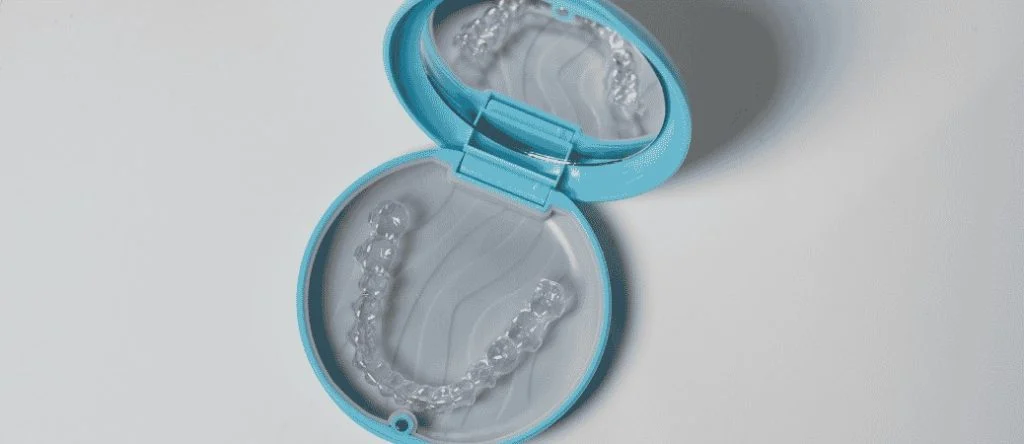
Clear aligners, like Invisalign, are a popular choice for adults who want straighter teeth without metal brackets. They’re removable, nearly invisible, and fit into most daily routines.
Traditional braces are still a solid option too, especially for more complex bite issues. An orthodontist can help you decide which method fits your needs based on how much movement your teeth need.
Your treatment plan should match your stage of life, oral health, and smile goals. What worked in your 30s may not be the best fit in your 50s or 60s.
Gum Contouring for Better Smile Proportions
Your gums play a bigger role in your smile than you might think. As gums recede with age, teeth can start to look longer or uneven.
Gum contouring, also called gum recontouring, reshapes the gum line to create better balance. Your dentist removes or adjusts small amounts of gum tissue to expose more or less of each tooth, depending on your goals.
This procedure is often part of a full smile design plan, especially when paired with whitening, bonding, or veneers. It’s a helpful option if your gums are uneven or if one side of your smile looks different from the other.
Correcting an uneven gum line can improve smile proportions and help the teeth look more balanced. A balanced gum line can make your whole smile look more youthful and symmetrical.
When Restorative Care Should Come Before Cosmetic Work
Before you book a whitening session or ask about veneers, your dentist needs to check for missing teeth, damaged teeth, or gum disease.
Fixing these problems first protects your long-term oral health and helps cosmetic work last much longer.

Replacing Missing Teeth With Implants, Bridges, or Dentures
Tooth loss changes more than your smile. It can shift your bite, sink your cheeks, and make nearby teeth drift out of place.
You have a few solid options for replacing missing teeth. Dental implants act like an artificial tooth root, giving you a stable base that feels close to natural.
Bridges fill the gap using nearby teeth for support, while dentures or implant-supported dentures work well when you’re missing several teeth or need a full replacement.
Your dentist will look at your bone health and how many teeth you’re missing to figure out which option fits your mouth best.
Once your smile has its full structure back, cosmetic treatments look better and hold up longer.
Repairing Teeth With Crowns and Other Restorations
Damaged teeth need repair before they can be part of any cosmetic plan. Cracks, deep decay, or old fillings that are wearing down all need attention first.
Crowns are one of the most common fixes. They cover a weakened tooth completely, restoring its strength while also giving it a natural shape and color.
Other restorations, like fillings or bonding, can repair smaller areas of damage.
Here’s a quick way to think about it:
- Crown: Best for teeth that are cracked, worn down, or have had root canal treatment.
- Filling: Best for small to medium cavities.
- Bonding: Best for minor chips or gaps.
Once these repairs are done, your teeth are stronger and ready for any cosmetic upgrades you want.
Why Healthy Gums and Bone Support Matter
Your gums and jawbone are the foundation your teeth rely on. If that foundation is weak, cosmetic work is much more likely to fail early.
Gum disease is one of the biggest threats to your smile. Left untreated, it can lead to bone loss, loose teeth, and even more tooth loss down the road.
Your dentist will check your gum health and treat any infection before moving forward with cosmetic plans.
Bone density plays a big role too, especially if you’re considering implants. Weak or thin bones may need to be treated or built up first, so your new tooth has enough support to stay in place.
Taking care of your gums and bones now sets you up for a smile that looks good and stays healthy for years to come.
Planning a Smile Makeover at Every Stage of Life
Your age plays a big role in what your smile needs. A good smile makeover fits your stage of life, whether you’re focused on small tweaks or bigger changes.
Conservative Options for Younger Patients
If you’re younger, your teeth are likely in good shape already. This means you often need less work to get a great smile.
Simple treatments can make a big difference. Options like teeth whitening and thin veneers are popular for younger patients seeking a smile transformation because they fix small issues without much fuss.
Your enamel is usually strong at this age. That means dentists can use gentler methods to reach your goals.
Good oral hygiene matters too. Keeping up healthy habits now helps protect your results for years to come.
Balancing Appearance and Function for Older Patients
As you get older, your smile needs may shift. It’s not just about looks anymore. Function matters more too.
You might notice more wear on your teeth or changes in your gums. These changes can affect how your bite feels and how your teeth work together.
For older patients, smile makeovers often blend cosmetic and restorative care. This might mean adding dental implants to replace missing teeth or using veneers to fix shape and color.
You may also need orthodontic care to fix bite problems. The goal is a healthy smile that works well and looks good, not just one or the other.
What Happens During a Cosmetic Dentistry Consultation
Every good smile makeover starts with a consultation. At Esthetic Dentistry Pittsburgh, Dr. Susan McMahon considers your goals along with the condition of your teeth, gums, and bite before recommending treatment.
Her conservative approach focuses on preserving healthy tooth structure while creating natural looking results that complement your features.
Your treatment plan may include whitening, bonding, veneers, or other cosmetic options based on your needs, budget, and timeline.
Protecting Your Results and Long-Term Oral Health
Your smile makeover is an investment worth protecting. A few simple habits can help your results last for years to come.

Daily Brushing, Flossing, and Dry Mouth Management
Good oral hygiene is the foundation of a healthy smile at any age. Brush twice a day and floss once a day to keep plaque from building up around your teeth and gums.
This matters even more if you have veneers, crowns, or other restorations. Plaque can still cause decay and gum problems around dental work.
Dry mouth becomes more common as you get older. Many medications lower saliva production, which raises your risk of decay and gum irritation.
Drink plenty of water and talk to your dentist if your mouth feels dry often. Saliva substitutes or simple lifestyle changes can help protect your teeth and gums.
Regular Checkups and Care for Existing Dental Work
Regular dental visits let your dentist catch small problems before they turn into big ones. Checkups every six months are a good general rule.
Your dentist will check your gum health and look closely at any crowns, bridges, or other restorations. These can wear down or loosen over time, especially in older adults.
Cleanings also remove plaque from spots that are hard to reach at home. This is especially important if you have gum recession or tight spaces around dental work.
Skipping visits makes it easier for gum disease or decay to progress without you noticing. Staying on schedule protects both your natural teeth and your cosmetic results.
Using a Nightguard to Limit Grinding-Related Wear
Many people grind or clench their teeth at night without knowing it. This habit can quickly wear down enamel and damage veneers, crowns, or bonding.
A nightguard creates a barrier between your upper and lower teeth. It absorbs the pressure from grinding so your teeth and dental work stay protected.
Signs you may need one include:
- Jaw pain or soreness in the morning
- Headaches after waking up
- Flattened or chipped teeth
- Increased tooth sensitivity
Your dentist can fit you with a custom nightguard that matches your bite. This small step can prevent costly repairs and help your smile stay in good shape for the long run.
Frequently Asked Questions
You probably have some quick questions about how your smile changes over time and what your options are for keeping it looking great. Here are simple answers to the most common ones.
How does aging affect the color, shape, and appearance of teeth?
As you get older, your teeth naturally get darker and shorter, and your gums can pull back from the tooth. Years of coffee, tea, and just normal eating wear down the outer layer of your teeth, which makes stains show more easily.
At the same time, teeth darken and wear down while gums recede, which can make your smile look tired even if your teeth are healthy.
Old fillings and crowns can also start to look dull or discolored after many years. All of these small changes add up, which is why a smile can look different at 60 than it did at 30.
What cosmetic dentistry options can help restore an older-looking smile?
You have more choices than you might think when it comes to refreshing your smile. Treatments like whitening, bonding, and veneers each target a different problem, whether that’s color, shape, or wear.
Your options may include treatments for discoloration, worn edges, or teeth that have shifted over time. Your dentist can help you figure out which treatment fits your specific smile and goals.
Are veneers a good option for worn, chipped, or stained teeth?
Yes, veneers work well if you have teeth that are chipped, stained, or worn down from years of use. They’re thin shells that cover the front of your tooth, so they can hide a lot of surface problems at once.
If you’re dealing with chips, discoloration, or crowns showing their age, veneers give you a quick way to fix the look of several teeth without changing what’s underneath.
They’re especially helpful if you want a more even, natural-looking smile without a lot of downtime.
How long do dental veneers typically last, and what happens when they need replacement?
Most veneers last around 10 to 15 years, though this depends on the material used and how well you take care of your teeth. Porcelain veneers tend to hold up longer than composite ones, but both can chip or wear down eventually.
Knowing when to replace veneers is an important part of long-term care. Your dentist will check the underlying teeth and gums first, while regular checkups can help catch small issues before they turn into bigger problems.
At what age do adults commonly begin experiencing tooth loss?
Tooth loss can start showing up in your 40s and 50s, though it varies a lot from person to person. Gum disease, decay, and general wear over the decades are usually the main causes.
Your risk depends on your genes and how well you’ve cared for your teeth over the years.
Regular dental visits help catch problems early, which is one reason your dentist may talk about how age impacts your cosmetic dentistry options as part of your regular checkups.
Can cosmetic dentistry improve a smile without making teeth look unnatural?
Yes, and this is actually one of the main goals of good cosmetic dentistry. A skilled dentist won’t just make your teeth bright white and identical in shape, since that can look fake on an older face.
Instead, they’ll pick shades and shapes that match your natural features, so the result looks like a healthier version of your own smile.
This personalized approach helps your results look natural and balanced rather than making it obvious that you’ve had dental work.