
Veneers and bonding can transform your smile, but they don’t last forever. Like any dental work, these cosmetic treatments eventually show signs of wear and need attention from your dentist.
Most veneers need replacement every 10-15 years, while bonding typically lasts 5-7 years, though you may need to replace them sooner if you notice chipping, staining, gaps at the gum line, or discomfort.
Knowing when to upgrade your dental work helps you maintain a healthy, attractive smile and prevents bigger problems down the road.
This guide will help you spot the warning signs and when to replace veneers. You’ll learn what causes veneers and bonding to fail, how to make them last longer, and what to expect during the replacement process.
Key Takeaways
- Porcelain veneers last 10-15 years while composite bonding needs replacement every 5-7 years with proper care
- Watch for chipping, staining, gaps between the veneer and gums, discomfort, or loose fit as signs you need replacement
- Regular dental checkups and avoiding hard foods can help extend the life of your veneers and bonding
Table of Content
- Understanding Veneers and Bonding Longevity
- Top Signs Your Veneers or Bonding Need Replacement
- Common Causes of Veneer and Bonding Failure
- How to Maximize the Life of Your Veneers
- The Veneer and Bonding Replacement Process
- Frequently Asked Questions
Understanding Veneers and Bonding Longevity
Both veneers and bonding can transform your smile, but they don’t last forever. Porcelain veneers generally outlast composite options, while several factors affect how long either treatment will hold up in your mouth.
Types of Veneers: Porcelain vs. Composite
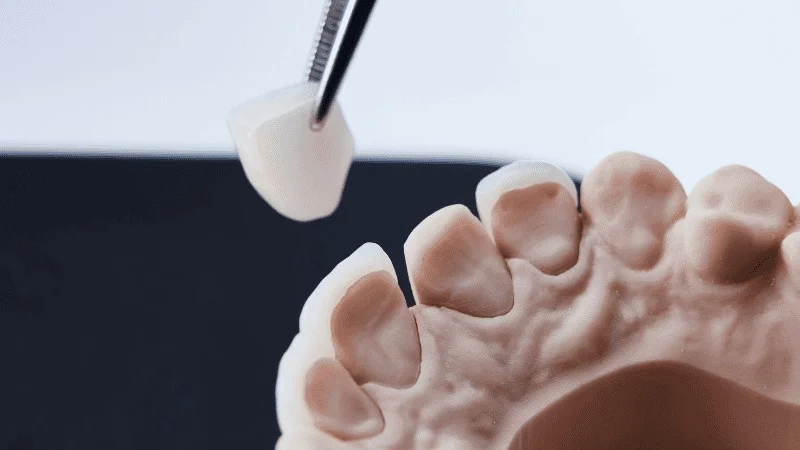
Porcelain veneers are thin ceramic shells custom-made in a dental lab to fit over your teeth. They’re known for their strength and ability to resist stains better than other options.
Composite veneers use tooth-colored resin that your dentist applies directly to your teeth. The material gets shaped and polished in one visit. These veneers require less tooth preparation than porcelain versions.
The main difference between these types comes down to durability and appearance. Porcelain veneers offer superior longevity and maintain their color over time.
Composite veneers cost less upfront but may need more frequent touch-ups to keep your aesthetic smile looking its best.
How Long Do Veneers and Bonding Typically Last?
Porcelain veneers usually last between 10 to 15 years on average. Some well-maintained veneers can even last twenty years or more with proper care.
Composite bonding has a shorter lifespan. You can expect bonding to last around 4 to 8 years, with most falling in the 5 to 7 year range. Dental bonding typically needs replacement or refreshing sooner than dental veneers.
These timeframes aren’t guarantees. Your individual results depend on many personal factors. Some people get more years from their bonding, while others may need veneer replacement earlier than expected.
Factors That Influence Durability
Your bite pattern plays a big role in how long your veneers or bonding will last. Deep overbites or edge-to-edge bites put extra stress on front teeth restorations.
Habits that shorten lifespan:
- Grinding or clenching teeth at night
- Nail biting
- Chewing on pens or ice
- Using teeth to open packages
- Biting hard foods directly with front teeth
Your oral hygiene routine matters too. Poor brushing and flossing can lead to decay at the edges of veneers or bonding. This decay weakens the bond and may require early replacement.
The position of your treated teeth also affects durability. Front teeth usually experience lighter forces than back teeth, helping restorations last longer.
Top Signs Your Veneers or Bonding Need Replacement
Both veneers and bonding can show clear warning signs when they need attention.
Recognizing damage early, spotting color changes, checking for loose restorations, and monitoring your gum health will help you know when it’s time to visit your dentist.

Chips, Cracks, or Visible Surface Damage
Physical damage is one of the most obvious signs that your veneers or bonding need replacement. You might notice small chips along the edges of your teeth or larger cracks running through the surface.
While porcelain veneers are strong, they can still break if you bite down on hard foods or experience trauma to your mouth.
Bonding material is less durable than porcelain. It can chip more easily from everyday activities like chewing ice or biting your nails.
Common types of damage include:
- Small chips at the edges
- Vertical or horizontal cracks
- Rough or uneven surfaces
- Pieces that have broken off completely
Chipped or cracked veneers not only affect how your smile looks but can also make it harder to chew and speak properly. Once damage occurs, your dentist will need to replace the entire veneer or redo the bonding rather than repair it.
Noticeable Discoloration or Loss of Shine
Your veneers or bonding should match the color of your natural teeth and maintain their brightness over time.
If you notice darkening, yellowing, or stains that won’t come off with regular brushing, this signals a problem. Porcelain veneers resist stains better than bonding material, but both can discolor eventually.
Staining typically happens around the edges first. You might see a dark line where the veneer or bonding meets your natural tooth. This occurs when the bonding cement weakens or when gaps form between the restoration and your tooth.
Professional whitening treatments don’t work on veneers, so if they become stained, replacement is your only option. Bonding material is especially prone to picking up stains from coffee, tea, red wine, and tobacco.
The surface may also lose its glossy finish and appear dull or chalky over time.
Looseness or Bonding Failure
Bonding failure happens when the adhesive holding your veneer or bonding to your tooth breaks down. You might feel your veneer moving slightly when you touch it with your tongue or notice it feels different when you bite down.
In some cases, veneers can fall off completely if the bond weakens enough.
Several factors contribute to veneers becoming loose over time. The bonding adhesive can wear down, especially when exposed to moisture or if it wasn’t applied correctly in the first place.
Poor oral hygiene can also allow bacteria to get under the veneer, weakening the bond.
If your restoration feels loose, you should see your dentist right away. A gap between your tooth and the veneer allows bacteria to cause decay underneath.
This decay can damage the tooth structure and require more extensive treatment beyond just replacing the veneer.
Gum Recession and Other Oral Health Changes
Gum recession creates visible gaps between your gums and your veneers or bonding. You might notice a dark line appearing near your gum line or see more of your natural tooth showing above the restoration.
This happens when your gums pull back from the teeth due to gum disease, aggressive brushing, or natural aging.
Receding gums with veneers need immediate attention because your veneers or even your teeth could come loose or fall out if gum disease progresses. The gap also affects how your smile looks and can expose sensitive tooth structure.
Other oral health changes that signal replacement needs include discomfort when wearing your veneers, changes in how they fit, or pain when biting.
These issues suggest your veneers are the wrong size or that decay has developed underneath. Your dentist will need to remove the restoration, treat any underlying problems, and install new veneers or redo the bonding.
Common Causes of Veneer and Bonding Failure
Veneers and bonding don’t last forever, and understanding what causes them to fail helps you protect your investment. Daily habits, oral health issues, and physical forces all play a role in how long your dental work stays intact.
Everyday Wear and Tear
Your veneers face constant pressure every time you eat or speak. The average bite force ranges from 150 to 200 PSI, which gradually affects the bonding material and edges over time.
Hard foods present the biggest risk. Biting into ice, hard candy, or popcorn kernels can crack or chip your veneers. Using your teeth as tools to open bags or bite fingernails also causes damage.
Staining beverages like coffee, tea, and red wine won’t affect porcelain veneers much. But they can discolor the bonding material around the edges. Composite bonding is more prone to staining than porcelain.
Even normal chewing creates micro-wear that adds up over years. This explains why porcelain veneers last between 10 and 20 years while composite options typically last 5 to 7 years.
Poor Oral Hygiene and Tooth Decay
Your veneers themselves can’t decay, but the teeth underneath them can. Poor brushing and flossing habits allow bacteria to build up along the edges where your veneer meets your natural tooth.
Cavities forming under veneers compromise the entire restoration. The tooth structure that supports your veneer weakens, which can lead to bonding failure or complete detachment.
Brushing twice daily with non-abrasive toothpaste is essential. Floss at least once a day to remove plaque between teeth. An alcohol-free mouthwash helps reduce bacteria without drying out your mouth.
Regular dental checkups every six months catch problems early. Your dentist can spot decay starting under veneers before it becomes a bigger issue that requires replacement.
Impact of Teeth Grinding or Clenching
Grinding or clenching your teeth, called bruxism, puts extreme pressure on veneers. This habit often happens during sleep without you realizing it.
The constant force can crack porcelain veneers or loosen the bonding adhesive. Even strong materials struggle against the repetitive pressure from grinding night after night.
A night guard protects your veneers from grinding damage. This custom appliance creates a barrier between your upper and lower teeth while you sleep.
Many patients don’t know they grind their teeth until their dentist notices wear patterns. If you wake up with jaw pain or headaches, grinding might be damaging your dental work.
Effects of Gum Health on Veneers
Healthy gums hold veneers securely in place. When gum disease develops, it causes inflammation and eventual gum recession that exposes veneer edges.
Receding gums create gaps where food and bacteria get trapped. The exposed edge of your veneer becomes visible, which looks unnatural and feels rough against your tongue.
Poor gum health also leads to bone loss in your jaw. This changes how your veneer fits and can cause it to feel loose or bulky.
Gum disease starts with gingivitis, which causes bleeding and swelling. Without treatment, it progresses to periodontitis and threatens both your natural teeth and veneers.
Regular cleanings and proper home care prevent gum problems that compromise your veneers.
How to Maximize the Life of Your Veneers
Taking good care of your veneers can help them last 10 to 15 years or longer. Simple daily habits, smart food choices, and wearing protection when you need it make the biggest difference in keeping your smile looking great.

Best Daily Oral Care Practices
Brush your teeth twice a day using a soft-bristled toothbrush and non-abrasive toothpaste. Abrasive pastes can scratch the surface of your veneers over time and make them look dull.
Floss every day between all your teeth. Your veneers cover the front surface, but bacteria can still build up along the gum line and between teeth. Gentle flossing protects the edges where your veneer meets your natural tooth.
Visit your dentist every six months for cleanings and checkups. Your dentist can spot early problems like chips or staining at the margins before they get worse.
Regular visits also help keep your gums healthy, which supports your veneers long-term.
Diet and Lifestyle Tips for Lasting Results
Avoid biting into hard foods like ice, hard candy, or unpopped popcorn kernels. These can chip or crack your veneers just like they can damage natural teeth.
Limit drinks that stain, including coffee, tea, and red wine. While porcelain veneers resist staining better than natural teeth, the bonding cement and edges can still darken over time.
Rinsing your mouth with water after drinking these beverages helps reduce staining.
Never use your teeth as tools to open packages, tear tags, or bite your nails. This puts extra pressure on your veneers and increases the risk of damage. Keep scissors and bottle openers handy instead.
When to Use Night Guards and Other Protectors
If you grind or clench your teeth at night, you need a custom night guard to protect your veneers. Grinding creates constant pressure that can cause micro-cracks, chips, or even break veneers completely.
Ask your cosmetic dentist to make a guard that fits your bite exactly. Over-the-counter guards don’t fit as well and may not protect your veneers properly.
A well-fitted guard spreads out the force evenly and keeps your aesthetic smile safe while you sleep.
Wear a sports guard if you play contact sports or activities where your mouth could get hit. This extra protection prevents sudden damage that could require replacing your veneers earlier than expected.
The Veneer and Bonding Replacement Process
Getting your veneers or bonding replaced involves working closely with a cosmetic dentist in Pittsburgh who can assess your needs and walk you through each step.
The process includes removing old restorations, preparing your teeth, and creating custom replacements that match your goals.
Consulting With a Cosmetic Dentist

Your first step is scheduling a consultation with a cosmetic dentist who specializes in veneer replacement. During this visit, your dentist will examine your existing veneers or bonding to check for cracks, chips, discoloration, or loose areas.
They’ll take photos and possibly X-rays to see what’s happening beneath the surface. This helps identify decay or damage to the tooth structure underneath.
Your dentist will discuss:
- Why your current restorations are failing
- Whether repair or full replacement makes more sense
- Material options like porcelain or composite
- How many teeth need treatment
- Timeline and cost estimates
This is your chance to share what you’d like to improve. Maybe your veneers look outdated, or you want a different shape or shade.
Your dentist can show you what’s possible and help you plan an aesthetic smile upgrade that fits your face.
What to Expect During Veneer Removal and Replacement
The veneer replacement process typically takes two appointments spread over one to two weeks. Your dentist carefully removes the old veneer without damaging the tooth underneath.
Once removed, they’ll clean the tooth and check for any decay or damage that needs treatment first. The tooth surface is then prepared and reshaped if needed.
The process includes:
- Taking impressions or digital scans of your prepared teeth
- Color matching to your surrounding teeth
- Placing temporary veneers while your permanent ones are made
- Bonding the new dental veneers at your final appointment
Bonding replacement follows a similar process but is often simpler. Your dentist removes the old composite material, preps the tooth surface, and applies fresh bonding in layers. This can sometimes be done in a single visit.
Upgrading Your Smile: Planning for an Aesthetic Refresh
Replacing old veneers gives you a chance to refresh your whole look. Your aesthetic smile preferences may have changed since you first got veneers years ago.
Modern dental veneers look more natural than older versions. They’re thinner, more translucent, and better at mimicking real tooth enamel. You might want to adjust the shape, length, or shade to better complement your features now.
Work with your cosmetic dentist to review photos of smiles you like. Discuss whether you want a brighter shade or a more natural tone. Talk about tooth proportions and how your smile fits with your lips and face shape.
Some people choose to replace just the visible front teeth. Others opt for a full smile makeover that includes more teeth for better balance. Your dentist can help you decide what makes sense for your goals and budget.
Frequently Asked Questions
Veneers and bonding can show different warning signs as they age, and knowing what to watch for helps you catch problems early. Most issues start small but get worse over time if you ignore them.
How can I tell if my veneers are wearing out or failing?
Your veneers might be failing if they feel loose or shift slightly when you bite down. A gap appearing near your gumline is another clear sign something’s wrong.
Watch for sensitivity to hot or cold foods that wasn’t there before. This often means the bonding has weakened and bacteria might be getting underneath.
Food getting stuck around your veneer more than usual can signal that it’s not fitting properly anymore. The veneer might also feel uneven compared to the teeth next to it.
What are the most common signs that dental bonding needs to be redone?
Chipping is one of the most common problems with dental bonding. Even small chips can get bigger and expose the tooth underneath.
Bonding can change color over time, especially if you drink coffee, tea, or red wine regularly. Unlike veneers, bonding material is more likely to stain.
Rough or uneven edges that develop after years of wear mean the bonding is breaking down. Your bonded tooth might also start to feel different when you run your tongue over it.
Is discoloration a reason to replace veneers or bonding, and can it be fixed without replacing them?
Surface stains on veneers can sometimes be polished away during a professional cleaning. Deep discoloration that goes through the material usually requires replacement.
Bonding stains more easily than porcelain veneers and can’t always be fixed with polishing. Your dentist might be able to smooth and re-polish minor surface stains on bonding.
Darkening veneers that won’t respond to cleaning often mean the material itself is aging. This happens more with older composite materials than with modern porcelain.
What should I do if my veneer or bonded tooth feels rough, chipped, or has a sharp edge?
Call your dentist right away if you notice a sharp edge. Don’t try to file it down yourself because you could damage the restoration or your tooth.
Small chips can sometimes be smoothed out or patched with composite resin. Your dentist needs to see it to determine if a simple repair will work.
Avoid chewing on that side of your mouth until you get it checked. A rough spot or chip can irritate your tongue and cheek.
How long do veneers and dental bonding typically last with normal use?
Porcelain veneers last between 10 to 15 years on average with good care. Some can last 20 years or longer if you maintain excellent oral hygiene and wear a night guard if you grind your teeth.
Composite veneers have a shorter lifespan, typically around 5 to 7 years. Dental bonding usually lasts about the same amount of time as composite veneers.
Your habits make a big difference in how long they last. Grinding your teeth, biting hard objects, or poor oral hygiene can shorten their lifespan significantly.
Can gums changing or receding affect whether veneers or bonding should be replaced?
Gum recession can expose the edges of your veneers or bonding. This creates a visible line where the restoration meets your natural tooth.
The exposed area can look darker or different in color than the rest of your tooth. It also makes that spot more vulnerable to decay and sensitivity.
When gum recession changes how your veneer fits, replacement might be necessary to protect the tooth and restore the appearance. Your dentist can evaluate whether your gums have receded enough to warrant a new veneer or bonding.