

Many people want a better-looking smile but worry about the pain and permanent changes that come with traditional dental work.
The good news is that you can improve your smile without drilling thanks to modern advances in cosmetic dentistry.
You now have access to non-invasive and minimally invasive cosmetic dental treatments that enhance your teeth while preserving your natural tooth structure.
No-prep veneers and other gentle treatments let you transform your smile without the sound of drills or long recovery times. These options focus on building up your teeth instead of cutting them down.
You can achieve the bright, even smile you want while keeping your healthy tooth enamel intact.
Whether you’re looking to brighten stained teeth, fix minor chips, or close small gaps, minimally invasive cosmetic dentistry treatments offer solutions that work with your natural teeth.
These methods give you more control over your dental care and often cost less than traditional procedures.
Key Takeaways
- Modern cosmetic dentistry offers multiple ways to improve your smile without drilling or removing healthy tooth structure
- No-prep veneers and other conservative treatments preserve your natural enamel while delivering beautiful results
- You can choose from several minimally invasive options based on your specific needs and goals
Understanding Conservative Cosmetic Dentistry
Conservative cosmetic dentistry focuses on keeping as much of your natural tooth intact as possible while still improving how your smile looks.
This approach values the long-term health of your teeth over dramatic changes that require removing healthy enamel.
The Philosophy of Minimally Invasive Treatment
Minimally invasive dental restorations work with what you already have instead of replacing it. Your cosmetic dentist will look for ways to enhance your smile through gentle adjustments rather than extensive dental work.
This philosophy means choosing treatments that don’t require drilling or permanently altering your teeth when possible. You get improvements without the commitment of irreversible procedures.
The goal is to make your smile look better while keeping your teeth strong and healthy for years to come. Small changes often create bigger results than you might expect.
Preservation of Natural Tooth Structure
Your natural enamel can’t grow back once it’s removed. Conservative dental approaches protect this valuable layer by avoiding unnecessary drilling or shaving down of healthy teeth.
Treatments like bonding and whitening let you keep your original tooth structure intact. This matters because your natural teeth are designed to last a lifetime when properly cared for.
When you preserve your enamel, you also preserve your options for future dental work. You won’t be locked into needing replacements or more invasive procedures later on.
Role of a Cosmetic Dentist
A cosmetic dentist trained in conservative methods will assess your dental aesthetics with preservation in mind. They’ll explain which cosmetic dental procedures can achieve your goals without removing healthy tooth material.
Your dentist should present multiple options, from non-invasive cosmetic dentistry like whitening to slightly more involved treatments. They’ll help you understand the trade-offs between different approaches.
The right cosmetic dentist will prioritize what’s best for your long-term oral health while still delivering the smile improvements you want. They won’t push for extensive work when simpler solutions can meet your needs.
No-Drill and Minimal-Prep Veneers
Modern veneers offer ways to enhance your smile with little to no alteration to your natural teeth. These options preserve more of your tooth structure compared to traditional methods while still delivering beautiful results.
How Modern Veneers Work

No-prep veneers are ultra-thin shells that bond directly to the front of your teeth without requiring extensive reshaping or drilling. They’re made from porcelain or composite material and can be as thin as a contact lens.
Your dentist applies these veneers by first making an impression of your teeth. They then etch your enamel slightly to help the veneers bond properly. The whole process typically takes one to two hours and causes little to no discomfort.
No-drill veneers work best for people with healthy tooth structure who have minor cosmetic concerns. They can fix slightly crooked teeth, tooth discoloration, small chips, or moderate gaps between teeth.
You won’t need temporary veneers while waiting for your final set, unlike with conventional options.
Traditional Veneers vs. No-Prep Veneers
The main difference between these approaches is the amount of tooth reduction required. Traditional veneers need your dentist to remove part of your tooth enamel before placement. This process is permanent and irreversible.
No-prep veneers preserve your natural tooth structure because they require minimal or no removal of enamel. Your dentist can remove them at any time if you want to return to your original smile.
| Feature | No-Prep Veneers | Traditional Porcelain Veneers |
| Lifespan | 5 to 7 years | 10+ years |
| Cost per tooth | $800 to $2,000 | $925 to $2,500 |
| Tooth reduction | None or minimal | Most extensive |
| Reversible | Yes | No |
| Best for | Minor cosmetic issues | Minor to severe issues |
Traditional veneers last longer and handle more severe dental problems. However, no-prep options like Lumineers offer a pain-free alternative if you only need minor improvements.
Porcelain and Prep-Less Veneer Materials
Porcelain veneers used in no-prep applications are extremely thin yet durable. Popular brands include Lumineers, Vivaneers, and DURAthin. Each uses porcelain that’s about 0.3 to 0.5 millimeters thick.
Lumineers remain the most well-known option for no-preparation dental veneers. They provide a natural appearance and a lightweight feel. Vivaneers measure roughly 0.33 mm thick, similar to the width of a contact lens.
These materials bond to your teeth using special dental adhesives. The thin porcelain allows light to pass through naturally, making your veneers look more like real teeth.
This preservation of natural tooth structure helps maintain the health of your teeth long-term.
Digital Impressions and Smile Design
Your dentist uses digital impressions to create precise molds of your teeth without messy traditional impression materials. A digital scanner captures detailed 3D images of your mouth in minutes.
These digital scans go to a lab that manufactures your custom veneers. The technology allows you and your dentist to preview your new smile before any work begins.
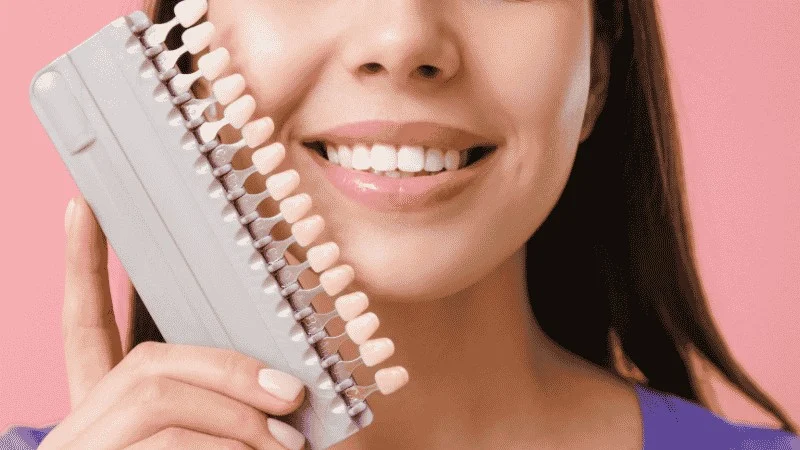
You can see exactly how your teeth will look and request changes to the shape, size, or color.
The digital process makes getting veneers without shaving teeth more accurate and comfortable. Your final veneers typically arrive within a few weeks, ready for your dentist to bond them to your teeth during a quick appointment.
Non-Invasive Cosmetic Options Beyond Veneers
You have several effective options to enhance your smile without drilling or permanently altering your natural teeth.
These treatments range from professional whitening systems to tooth-colored bonding materials and clear aligners that straighten teeth gradually.
Professional Teeth Whitening Treatments
Professional teeth whitening offers dramatic results that over-the-counter products can’t match.
Your dentist uses concentrated whitening gel containing hydrogen peroxide or carbamide peroxide in strengths up to 40%, compared to the 3-10% found in store-bought strips.
In-office whitening sessions typically take 60-90 minutes. Your dentist applies protective barriers to your gums, then carefully places the whitening gel on your teeth.
Some systems use special lights to activate the gel, though research shows the gel itself does most of the work.
Take-home professional kits give you custom-fitted trays and professional-grade whitening gel. You wear these trays for 30 minutes to several hours daily over 1-2 weeks.
This method costs less than in-office treatment while still delivering professional results that can lighten teeth by several shades.
Dental Bonding for Smile Enhancement
Dental bonding uses tooth-colored resin to fix chips, cracks, gaps, and discoloration without removing tooth structure.
Your dentist applies this composite material directly to your teeth, shapes it to look natural, then hardens it with a special curing light.
The process takes 30-60 minutes per tooth and requires minimal tooth preparation. Your dentist roughens the tooth surface slightly and applies a conditioning liquid to help the resin stick.
They then mold the tooth-colored resin to the desired shape and polish it to match your surrounding teeth.
Dental bonding techniques can address multiple cosmetic concerns in a single visit. The resin material lasts 3-10 years with proper care and costs significantly less than porcelain veneers.
You can eat normally right after the procedure, though you should avoid staining foods and beverages for the first 48 hours.
Invisalign and Clear Aligners
Invisalign and similar clear aligner systems straighten your teeth without metal brackets or wires. You wear a series of custom-made, transparent plastic trays that gradually shift your teeth into better positions.
Each set of aligners moves your teeth slightly before you switch to the next set in the series.
You need to wear the aligners 20-22 hours daily, removing them only for eating and brushing. Most treatment plans take 12-18 months, though simple cases may finish in 6 months.
You’ll visit your dentist every 6-8 weeks to monitor progress and receive new aligner sets.
Clear aligners work well for crowding, spacing, overbites, and underbites. They’re nearly invisible, so most people won’t notice you’re wearing them. You can also maintain better oral hygiene since you remove the aligners to brush and floss normally.
Smile Makeover with Minimal Intervention
A smile makeover combines multiple non-invasive cosmetic dental treatments to address several concerns at once. Your dentist creates a customized plan that might include whitening, bonding, and clear aligners based on your specific goals.
This approach lets you improve your smile’s color, shape, alignment, and overall appearance without extensive dental work. You might start with teeth whitening to brighten your smile, then add bonding to reshape certain teeth and close small gaps.
If alignment is a concern, clear aligners can be incorporated into your treatment plan.
The total timeline varies based on which treatments you choose. Some aspects like bonding, provide immediate results, while aligners require several months.
Your dentist will coordinate the timing of each cosmetic dental treatment to achieve the best final outcome while preserving your natural tooth structure.
Comparing Benefits and Limitations of Conservative Treatments
Conservative cosmetic dental treatments offer faster recovery and preserve your natural tooth structure, but they work best for specific cosmetic concerns and may not last as long as more invasive options.
Understanding these trade-offs helps you make informed decisions about your smile.

Comfort and Speed of Recovery
Non-invasive cosmetic dentistry typically requires little to no anesthesia since drilling isn’t involved. You can usually return to normal activities immediately after treatments like teeth whitening or bonding.
Most conservative procedures cause minimal discomfort during and after treatment. Teeth whitening might cause temporary sensitivity that fades within a few days. Composite bonding requires no healing time at all.
Conservative dental approaches prioritize your comfort by working with your existing tooth structure rather than removing it. You won’t experience the soreness or recovery period that comes with drilling and preparing teeth for crowns or veneers.
Suitability and Limitations
Conservative treatments work well for minor cosmetic issues like small chips, gaps, discoloration, or slightly misshapen teeth. They excel at improving dental aesthetics without major alterations to your smile.
However, these options have boundaries. Severe discoloration, large gaps, significantly crooked teeth, or major structural damage often require more comprehensive treatment.
Composite bonding can’t fix bite problems or severely worn teeth.
The preservation of natural tooth structure means keeping your teeth strong, but it also means accepting certain limitations. If you want dramatic changes to tooth shape, size, or alignment, you might need orthodontics or traditional veneers instead.
Long-Term Aesthetics and Outcomes
Conservative cosmetic treatments generally last 3-7 years, depending on the procedure and how well you care for them. Composite bonding may need touch-ups every 5-7 years as it can chip or stain over time.
Traditional porcelain veneers typically last 10-15 years, making them more durable for achieving a flawless smile. However, they require the permanent removal of tooth enamel.
Your daily habits significantly impact how long conservative treatments maintain their appearance. Coffee, tea, red wine, and tobacco can stain bonded composite resin faster than natural enamel.
Good oral hygiene and regular dental visits help maximize the lifespan of these treatments and keep your smile looking its best.
Choosing the Right Approach to Transform Your Smile
Finding the best way to enhance your smile depends on your specific dental concerns, budget, and personal preferences.
A qualified cosmetic dentist can help you select treatments that align with your goals while preserving your natural tooth structure.
Personalized Smile Goals
Before starting any cosmetic dental treatment, think about what you want to change. Do you want whiter teeth, straighter alignment, or repairs to chips and gaps?
Write down the specific issues that bother you most. Some people focus on color concerns like stains or yellowing. Others worry about shape problems like worn edges or uneven lengths.
Your lifestyle matters too. If you drink coffee daily or play contact sports, certain treatments will work better than others. Your age, oral health, and how much tooth structure you have also affect which options will succeed.
Consider how much change you want. Some patients prefer subtle improvements that look natural. Others want a dramatic transformation with a flawless smile.
Consultation with a Cosmetic Dentist

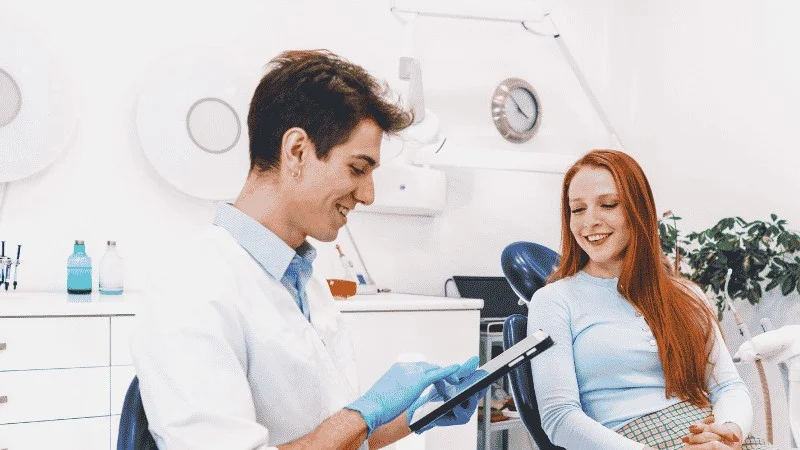
A professional evaluation helps you understand which cosmetic dentistry procedures match your needs. Your dentist will examine your teeth, gums, and bite during this appointment.
Expect X-rays and photos of your current smile. These records help your dentist plan treatments and show you potential results. Many offices use digital imaging to preview how different options would look.
Ask about conservative approaches first. Your dentist should explain non-invasive options before suggesting procedures that remove tooth structure.
Get clear information about costs, how long treatments take, and maintenance needs.
Bring questions about specific concerns. A good cosmetic dentist listens to your goals and recommends multiple solutions at different price points.
Next Steps Toward a Natural-Looking Smile
After your consultation, review the treatment plan carefully. Make sure you understand each step and the timeline involved.
Some improvements happen quickly while others take months. Teeth whitening delivers results in weeks, but orthodontic work takes longer.
Your dentist should give you realistic expectations about what each cosmetic dentistry treatment can accomplish.
Schedule your first appointment when you feel ready. Many patients start with simple treatments like whitening or bonding before moving to more involved procedures.
This gradual approach lets you see results and build confidence in the process.
Keep up with regular cleanings and checkups during cosmetic work. Good oral health creates the best foundation to transform your smile and maintain lasting results.
Frequently Asked Questions
Many people want to know which treatments work best for their specific concerns and how long results will last. The answers depend on your goals, budget, and how much tooth structure you’re willing to alter.
What are the most effective ways to enhance my smile without removing tooth structure?
Teeth whitening stands out as one of the most popular options since it requires zero drilling or tooth removal. Professional whitening can brighten your smile by several shades in just one visit.
Dental bonding offers another great choice for fixing minor chips, gaps, or discoloration. Your dentist applies tooth-colored resin directly to your teeth without removing enamel first.
Clear aligners can straighten crooked or crowded teeth without touching your tooth structure. Enamel shaping and recontouring removes only tiny amounts of enamel to smooth out rough edges or slightly reshape teeth.
Ultra-thin veneers are another option that requires minimal or no enamel removal. These shells measure just 0.2 to 0.5 millimeters thick and can improve your smile while preserving your natural teeth.
Am I a good candidate for no-prep or minimal-prep veneers, and what results can I expect?
You’re likely a good candidate if your teeth are healthy and you want to improve color, shape, or minor spacing issues. Your natural teeth need enough enamel thickness to support the ultra-thin shells.
No-prep veneers work best if you don’t have severe crowding, major misalignment, or significant bite problems. They’re ideal for people who want cosmetic improvements without removing healthy tooth structure.
The results can give you a brighter, more uniform smile that looks natural. Since these veneers are so thin, they create less bulk than traditional options.
Keep in mind that no-prep veneers may not work if you need major shape changes or have heavily worn teeth. Your dentist will need to evaluate your specific situation to determine if you’re a good fit.
How does dental bonding compare to veneers for fixing chips, gaps, or uneven edges?
Bonding costs less than veneers and can be completed in a single visit. Your dentist applies composite resin directly to your tooth, shapes it, and hardens it with a special light.
Veneers typically last longer than bonding and resist staining better. Bonding materials are more likely to chip or become discolored over time, especially if you drink coffee or tea regularly.
Bonding can improve teeth with chips, cracks, gaps, or minor stains without extensive tooth preparation. It works well for small cosmetic fixes but may not be ideal if you want a complete smile transformation.
Veneers provide a more dramatic and longer-lasting result. They cover the entire front surface of your teeth and can change color, shape, and size more dramatically than bonding.
Can teeth whitening alone make a noticeable difference, and how long do the results usually last?
Professional whitening can brighten your teeth by several shades in just one or two office visits. The results are often dramatic enough that people notice right away.
In-office treatments take about one to two hours per visit. At-home whitening systems from your dentist may take two to four weeks or longer depending on the strength of the whitening solution.
Results typically last from several months to a few years. How long your whitening lasts depends on your habits and what you eat or drink.
Your teeth can become stained again if you consume coffee, tea, red wine, or tobacco products. Regular touch-ups can help maintain your brighter smile over time.
What are clear aligners able to correct cosmetically, and how long might treatment take?
Clear aligners can fix minor to moderate spacing problems, crowded teeth, and some bite issues. They work by gradually shifting your teeth into better positions over time.
These removable appliances get replaced every two weeks or so as your teeth move. You can take them out while eating, brushing, and flossing, which makes them more convenient than traditional braces.
Treatment time varies based on how much your teeth need to move. Simple cases might take just a few months, while more complex alignment issues could take a year or longer.
You’ll need to wear your aligners for about 20 to 22 hours per day to get the best results. After treatment, you’ll need to wear a retainer to keep your teeth in their new positions.
How long do conservative cosmetic treatments typically last, and what kind of maintenance do they need?
Teeth whitening results usually last several months to a few years with good care. You’ll need occasional touch-ups to maintain your bright smile, especially if you consume staining foods or drinks.
Bonding can last several years but tends to chip or stain more easily than other options. You should avoid biting hard foods or objects with bonded teeth and maintain good oral hygiene.
Ultra-thin veneers can last 10 to 20 years with proper care. You need to brush twice daily, floss regularly, and avoid using your teeth as tools to open packages.
Clear aligner results can be permanent if you wear your retainer as directed. Many people need to wear retainers every night indefinitely to prevent their teeth from shifting back.
Good oral hygiene helps all cosmetic treatments last longer. Brushing twice a day, flossing daily, and visiting your dentist regularly protects your investment in your smile.