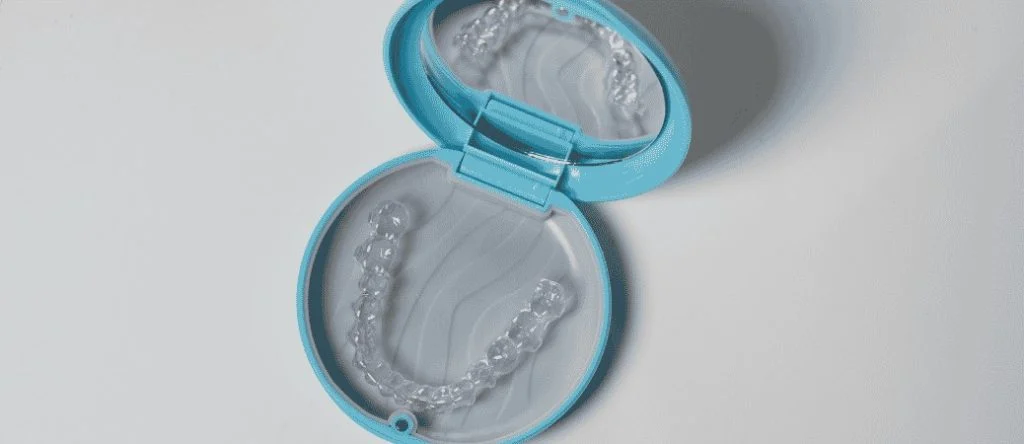

Choosing between clear tray systems can feel confusing when both brands promise straighter teeth without metal brackets.
If you’re weighing Invisalign vs. SureSmile, the decision really comes down to your bite goals, how complex your case is, and who will be managing your treatment plan.
Both systems use custom-made plastic trays and digital planning software to gradually shift teeth.
The bigger differences show up in the technology behind each brand, the provider network available in your area, and how your specific case is diagnosed and monitored over time.
Brand name alone won’t tell you which one fits your smile.
This comparison walks through what separates the two systems, which cases each one handles well, and what a realistic treatment timeline and cost might look like so you can walk into your consultation with better questions.
Key Takeaways
- Case complexity and provider expertise matter more than brand name when choosing between clear aligner systems.
- Costs and treatment timelines vary widely, so a written, itemized quote protects you better than a national price average.
- A customized treatment plan, active monitoring, and a solid retention plan after treatment all affect your final results as much as the aligner brand itself.
Table of Content
- What Actually Separates SureSmile and Invisalign?
- Which Cases Can Clear Aligners Treat?
- What Does Treatment Look Like Day to Day?
- How Much Do SureSmile and Invisalign Cost?
- Choose the System That Fits Your Smile and Support Needs
- Frequently Asked Questions
What Actually Separates SureSmile and Invisalign?
The two systems differ mainly in who makes them, the materials used, and the digital planning tools behind each treatment plan.
SureSmile aligners come from Dentsply Sirona, while Invisalign treatment is made by Align Technology, and each company has built its own scanning software, tray material, and provider training program.
How Do the Brands, Materials, and Digital Workflows Differ?
Invisalign uses a proprietary SmartTrack material designed to apply steady, gentle pressure to teeth throughout each two-week wear cycle.
SureSmile aligners are made from a smooth, BPA-free plastic, similar in comfort and clarity to other clear aligner systems on the market, sometimes compared to materials like Essix ACE used in retainers.
Both companies rely on digital workflows instead of old-fashioned putty impressions.
Invisalign providers typically use the iTero scanner to capture a 3D scan of your teeth, which feeds into ClinCheck software so your provider can preview your tooth movement stage by stage.
SureSmile uses its own 3D imaging and planning software, described by some sources as AI-assisted, to build a similar digital model and movement sequence.
The planning software matters because it shows your provider (and often you) a simulation of how your teeth are expected to move before any trays are made.
That simulation is a planning tool, not a guarantee of your final result, since real tooth movement can respond differently than the digital model predicts.
How Do Attachments and Other Auxiliaries Support the Tooth Movement?
Attachments are small, tooth-colored bumps bonded to certain teeth so the aligner has something to grip, which helps direct more precise force where it’s needed.
Invisalign calls its version SmartForce attachments, and SureSmile uses attachments as needed depending on your case.
Elastics (small rubber bands) may also be added with either system to help correct bite alignment between your upper and lower teeth.
Some providers use a high-frequency vibration device alongside aligner wear, with the goal of encouraging tooth movement and improving tray fit, though this remains a supplemental tool rather than a required part of most treatment plans.
Does the Aligner Brand or the Provider Matter More?
Your provider’s training and experience shape your results more than the logo on the tray packaging.
Both systems can be offered by a general dentist or an orthodontist, but not every provider treats every level of case complexity.
Invisalign has a large, well-established invisalign provider network built over more than two decades, while the suresmile provider network is smaller and still growing.
Before booking, ask how many cases similar to yours your provider has completed with that specific system, and look into clear aligners options available locally so you can compare providers directly rather than relying on brand reputation alone.
Which Cases Can Clear Aligners Treat?
Clear aligners work best for mild to moderate crowding, spacing, and some bite concerns, while more severe malocclusions often call for closer supervision or a different treatment approach.
Case complexity, not brand preference, should guide your decision here.
Both SureSmile and Invisalign can treat crowded teeth, gapped teeth, and minor bite problems, but predictability drops as cases get more complex.
Overbites, underbites, crossbites, and open bites may respond to aligner treatment, though they often need specialized planning, extra attachments, or elastics to get a stable result.
When Are Either System Appropriate for Mild to Moderate Cases?
Both systems handle mild to moderate cases with routine predictability, including minor crowding, small gaps, and slight rotations.
This is where clear aligner therapy tends to perform most consistently, since fewer teeth need dramatic movement.
Teens and adults with straightforward alignment concerns are usually good candidates for either system, assuming they can commit to consistent tray wear.
Invisalign First is one option marketed for younger patients still developing their permanent teeth, though a provider needs to confirm eligibility based on dental development, not age alone.
When Do Bite Problems Need More Specialized Planning?
Overbites, underbites, crossbites, and open bites usually require more detailed treatment planning than simple crowding or spacing.
These bite problems involve how your upper and lower jaws meet, not just how individual teeth line up, so treatment often adds attachments, elastics, or interim check-ins to track progress.
An orthodontist has extensive training in diagnosing and correcting these bite relationships, which is why more complex bite correction cases are frequently referred to a specialist.
A general dentist may still manage milder bite issues with clear aligners, but it’s worth asking directly how many similar bite cases they’ve completed.
When Might Traditional Braces Be the Better Choice?
Traditional braces may be a better fit for severe crowding, complex bite correction, or cases involving tooth movement that requires constant force not achievable with removable trays.
Braces stay fixed to the teeth, so they don’t rely on patient compliance with wear time the way aligners do.
If a consultation reveals your case falls outside the mild to moderate range, your provider might recommend braces instead of or before aligner treatment.
Esthetic Dentistry Pittsburgh routinely walks patients through this comparison during a consultation, and you can review the tradeoffs yourself in this clear braces vs. traditional braces breakdown before deciding.

What Does Treatment Look Like Day to Day?
Treatment starts with a digital scan and diagnostic records, moves into a custom sequence of trays worn nearly full-time, and ends with a retention plan to protect your results.
The daily routine feels similar across both systems, though your specific plan is unique to your teeth.
Most patients change trays every one to two weeks as instructed by their provider, wearing each set roughly 20 to 22 hours a day.
Comfort and predictability depend heavily on how consistently you wear your trays and how closely your provider monitors progress along the way.
How Is a Customized Treatment Plan Created?
A customized treatment plan starts with a 3D scan or digital impression of your teeth, which your provider uses to map out a tooth movement sequence from your starting position to your goal.
This plan should be reviewed with you in detail, including where attachments will go and roughly how many tray changes to expect.
At Esthetic Dentistry Pittsburgh, providers walk patients through their digital treatment plan before any trays are ordered, so you can ask questions and understand what each stage involves.
This step matters because the plan you approve becomes the roadmap your provider follows throughout care.
How Long Do SureSmile and Invisalign Usually Take?
Treatment duration for both systems generally falls between 6 and 24 months, depending on your case complexity and how consistently you wear your trays.
SureSmile cases often run on the shorter end, in the 6 to 18 month range, while Invisalign’s range extends further for more complex cases.
These ranges are broad estimates, not promises. Your actual treatment timeline depends on your starting alignment, your bite goals, and whether refinements are needed along the way.
Why Do Some Patients Need Refinements?
Refinements are additional sets of aligners ordered when teeth need extra adjustment beyond the original treatment plan.
They’re a normal part of aligner treatment, not a sign that anything went wrong, since digital simulations can’t always predict exactly how real teeth will respond to pressure.
What Happens After Active Aligner Treatment?
Retention keeps your teeth from shifting back after your last aligner tray. Nearly every patient needs a retainer, worn full-time at first and then typically at night, to protect the results of treatment.
Retainer type and wear schedule should be part of your written treatment plan, not an afterthought.
If you want tips on caring for your retainer once treatment wraps up, pro monitoring tools some practices offer can help track fit and flag issues between visits.
How Much Do SureSmile and Invisalign Cost?
Invisalign cost typically runs from about $3,000 to $8,000, while SureSmile treatment often falls between roughly $2,000 and $4,500.
These are broad ranges, and your actual fee depends heavily on your case complexity, your location, and your specific provider.
What Drives Your Total Treatment Cost?
Case complexity is the biggest factor behind your final price, since more complex tooth movement usually requires more trays, more attachments, and closer monitoring.
A straightforward spacing case naturally costs less than a case involving bite correction across both arches.
Provider type also plays a role. Specialist orthodontists may charge more for complex cases, while general dentists offering SureSmile may have lower overhead for simpler treatment plans.
Refinements and retainers can add to your total if they aren’t bundled into your original quote.
Will Dental Insurance, HSA, or FSA Funds Help Pay?
Dental insurance with orthodontic benefits may cover part of your clear aligner treatment, regardless of which brand your provider uses.
Coverage varies significantly by plan, so confirming details directly with your insurance provider before starting treatment saves you from surprise bills.
HSA and FSA funds are generally accepted for both SureSmile and Invisalign treatment costs.
If you’re weighing your payment options, your dental team can walk you through financing during your consultation, and you can review financial options ahead of time to prepare your questions.
What Should Be Included in a Written Quote?
A complete quote should list your records and scans, the number of aligners included, attachments, refinement policy, retainers, and the number of follow-up visits covered.
Ask specifically whether refinements and replacement trays for lost or broken aligners come with an extra fee.
Comparing quotes side-by-side only works if you’re comparing the same inclusions. A lower upfront number that excludes retainers or refinements may end up costing more than a higher quote that includes everything.
| Factor | SureSmile | Invisalign |
| Typical cost range | $2,000 – $4,500 | $3,000 – $8,000 |
| Typical treatment duration | 6 – 18 months | 6 – 24 months |
| Unlimited aligner period | Up to 3 years | Up to 5 years |
| Provider network | Growing, mostly general dentists | Large, dentists and orthodontists |
| Best suited for | Mild to moderate cases | Mild to complex cases |
Choose the System That Fits Your Smile and Support Needs

Deciding between SureSmile and Invisalign starts with an honest look at your case complexity, not brand familiarity.
Both are legitimate clear aligner treatment options backed by digital planning technology, but neither one is automatically the right choice for every smile.
The provider managing your treatment plan influences your outcome as much as the aligner brand itself.
A detailed consultation, a written treatment plan, and clear answers about refinements and retention give you a much better basis for choosing than a generic price comparison.
Esthetic Dentistry Pittsburgh offers consultations where your provider reviews your case, discusses whether SureSmile vs Invisalign fits your goals, and builds a treatment plan around your bite, budget, and lifestyle.
If you’re ready to compare options in person, explore Invisalign and SureSmile treatment pages or schedule a consultation to get a personalized recommendation.
Frequently Asked Questions
Is SureSmile as good as Invisalign?
Both systems can produce good results for mild to moderate orthodontic cases, though Invisalign has a longer clinical track record spanning more than 25 years.
Whether one is “better” for you depends on your case complexity and the experience of the provider managing your treatment.
Is SureSmile usually less expensive than Invisalign?
SureSmile often has a lower starting price, typically in the $2,000 to $4,500 range compared to Invisalign’s $3,000 to $8,000 range.
Actual costs vary by provider and case complexity, so a written quote is more reliable than a general price comparison.
Can SureSmile or Invisalign fix an overbite or crossbite?
Both systems may address mild to moderate overbites and crossbites, often with the help of attachments or elastics.
More significant bite problems typically need specialized planning and closer supervision, sometimes from an orthodontist rather than a general dentist.
Do SureSmile and Invisalign both require attachments and refinements?
Attachments and refinements are common with both systems, though not every patient needs them.
Attachments help direct force to specific teeth, while refinements are additional aligners ordered if teeth need more adjustment than originally planned.
How many hours per day do I need to wear clear aligners?
Most providers recommend wearing your aligners 20 to 22 hours a day, removing them only to eat, drink, and brush your teeth. Consistent wear time directly affects how closely your treatment follows the original timeline.
Should I see a dentist or orthodontist for clear aligner treatment?
Both general dentists and orthodontists can offer clear aligner treatment, but case complexity should guide which one you choose.
Orthodontists have additional training in bite correction and complex tooth movement, which matters more as your case becomes more involved.