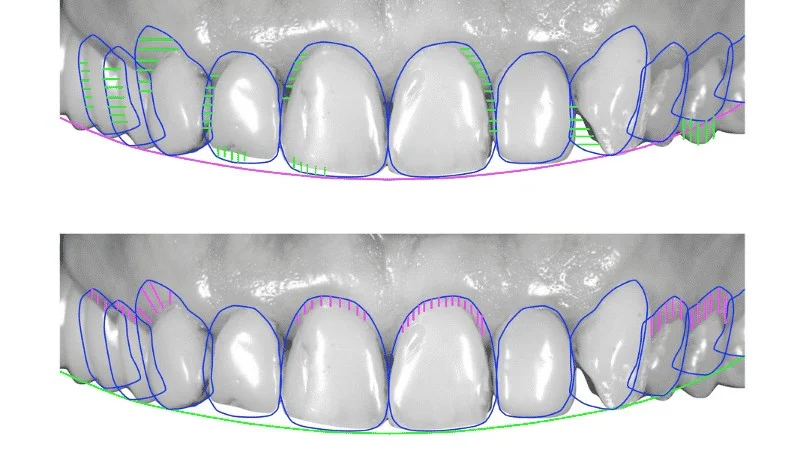


You want dental implants, but the price range can feel confusing. One office quotes a few thousand dollars, while another gives a much higher number. You deserve to know what actually drives that difference.
The total cost of dental implants depends on the materials used, the technology involved, the dentist’s training and experience, the number of implants you need, and any extra procedures required to support your jawbone.
Titanium and zirconia implants vary in price. Advanced tools like 3D imaging and guided surgery add cost but improve planning and accuracy.
Your final bill can also change based on where you live, the type of practice you choose, and whether you need bone grafting, extractions, or sedation.
When you understand these factors, you can compare options with confidence and choose care that fits your health; and your budget.
Key Takeaways
- Implant cost reflects materials, clinical skill, and treatment complexity.
- Technology and added procedures can raise the total price.
- Location and insurance coverage affect what you pay out of pocket.
Key Components and Pricing Structure
You pay for more than just a replacement tooth when you choose dental implants. Your total dental implant cost includes the implant post, the abutment, the crown, and often imaging or prep work.
Implant Post, Abutment, and Crown Breakdown
A single dental implant has three main parts. Each one affects your final dental implant pricing.
- Implant post – A titanium or zirconia screw placed in your jawbone.
- Abutment – A small connector that attaches to the post.
- Crown – The visible tooth that sits on top.
The post requires surgery, which adds to labor and facility costs. The abutment may be standard or custom made. Custom abutments often cost more but can improve fit and appearance.
Your crown material also matters. Porcelain fused to metal usually costs less than full zirconia or all-ceramic crowns. When you review your treatment plan, ask for a clear breakdown so you understand how each part affects your single dental implant cost.
Bundled vs Detailed Cost Estimates
Some offices give you one flat fee for the entire procedure. Others provide a detailed list of charges.
A bundled quote may show one number, such as $4,000 to $6,000 for a single tooth. This approach makes budgeting simple. You see one total dental implant cost instead of several line items.
A detailed estimate lists imaging, surgery, implant post cost, abutment, crown, and follow-up visits separately.
You benefit from detailed pricing if your case is complex. Bone grafts, sinus lifts, or sedation can raise your total. A clear list helps you see where your money goes.
Implant Post Cost Explained
The implant post cost forms a large part of your dental implant pricing. Most implant fixtures fall within a wide range depending on brand and material.
Pricing depends on the surgical fixture, lab coordination, and the provider’s time. Premium implant systems may charge more because of research, surface technology, and warranty coverage.
Your implant post cost also reflects skill and planning. The dentist uses 3D scans, surgical guides, and sterile tools during placement. If you need bone grafting first, that increases the cost before the post even goes in.
When you compare quotes, check whether the implant post cost includes imaging and placement or if those appear as separate fees.
Implant Materials and Their Influence on Price
The materials used in your implant and final restoration directly shape your total cost. The type of metal or ceramic, the brand, and the lab work all affect what you pay.
Titanium Implants vs Zirconia Implants
You will most often see titanium implants offered as the standard option. Dentists use titanium because it is strong, lightweight, and bonds well with bone. It has a long track record and works for most patients.
Titanium implants often cost less than ceramic options. In many cases, a full single-tooth implant with crown falls in the $4,000 to $6,000 range, depending on other factors.
Zirconia implants use a white ceramic material instead of metal. Some patients prefer them for cosmetic reasons or metal sensitivity concerns. However, zirconia systems can cost more because fewer manufacturers produce them and placement may require specific training.
When you compare the two, ask about:
- Long-term success rates
- Surgeon experience with the material
- Lab and component availability
- Replacement part costs
Material choice alone can shift your bill by hundreds or even thousands of dollars.
Material Choices for Crowns and Bridges
Your implant post is only part of the cost. The visible tooth, such as a zirconia crown or porcelain crown, also affects your final price.
Common crown materials include:
| Material | Typical Cost Impact | Key Features |
| Metal-ceramic | Lower | Strong, layered look |
| All-ceramic | Mid to high | Natural color |
| Zirconia crown | Higher | Very durable, metal-free |
A zirconia crown often costs more than a metal-ceramic crown because the lab work and milling process are more advanced. If you need an implant-supported bridge, the cost rises further since the lab must design multiple connected crowns.
The choice of crown material can add $800 to $2,500 per tooth, depending on complexity and lab fees. Stronger and more lifelike materials usually mean higher lab costs.
Mini, Zygomatic, and All-on-4 Options
Different implant designs also change your total investment. Standard implants are not your only option.
Mini implants are smaller in diameter. They may cost less per unit, but they are not right for every case. Dentists often use them for narrow spaces or to stabilize dentures.
Zygomatic implants anchor into the cheekbone instead of the upper jaw. Surgeons use them when you have severe bone loss. These procedures are complex and usually cost much more because they require advanced surgical skill and longer operating time.
All-on-4 implants support a full arch of teeth with four placed implants. This approach reduces the number of implants needed, but the full-arch prosthetic and surgical planning increase the total cost.
Full-arch cases can reach tens of thousands of dollars per arch, especially when grafting or sinus lifts are required.
When you review treatment options, focus on how the design, materials, and lab work combine. Each choice changes both the procedure and the final price you pay.
How Expertise and Technology Affect Total Cost
Your provider’s training and the tools they use play a direct role in what you pay. Fees often reflect surgical skill, planning methods, and the quality of the final restoration; not just the implant itself.

Role of the Implant Dentist or Oral Surgeon
You pay for more than a metal post in your jaw. You also pay for the training and experience of the implant dentist or oral surgeon placing it.
An oral surgeon completes years of hospital-based surgical training after dental school. An implant dentist may complete advanced courses, residencies, or fellowships focused on implant placement and restorative dentistry. This background affects how they plan your case and manage problems.
Experience also matters. A provider who places implants often can handle bone loss, sinus lifts, or nerve concerns with more precision.
Many practices highlight credentials, case volume, and professional memberships when discussing the true cost of dental implants, including expertise and lab work.
You may notice higher fees at a specialized dental implant center. In many cases, those fees reflect surgical training, careful planning, and long-term follow-up care.
Advanced Diagnostic and Surgical Technology
Modern technology adds cost, but it also improves planning and accuracy. Clinics invest in equipment that helps them place implants in the correct position the first time.
Common tools include:
- 3D cone beam CT scans to measure bone height and width
- Digital scanners instead of traditional impressions
- Guided surgery software to plan implant angles
- CAD/CAM systems for precise restorations
This equipment is expensive to buy and maintain. Practices must also train staff to use it properly.
Dentists often review the total cost of ownership in digital dentistry when setting fees. That includes software updates, service contracts, and replacement parts.
You benefit from better imaging and more accurate placement. Fewer surprises during surgery can lower the risk of added procedures later.
Restorative Dentistry and Lab Fees
After the implant heals, restorative dentistry completes your treatment. This stage includes the abutment and crown that attach to the implant.
Several factors affect this part of the cost:
- Material choice such as titanium or zirconia
- Custom versus stock abutments
- Type of crown, including full ceramic options
- Lab skill and technology
High-quality materials and advanced lab methods raise the fee. Many labs use digital design and milling systems, which improve fit but increase production costs. Materials and digital workflows often influence pricing.
If your case requires extra steps like bone grafting or multiple implants, your restorative plan becomes more complex. That complexity adds both clinical time and lab expenses, which show up in your final treatment estimate.
Procedure Type and Additional Treatments
The number of implants you need and the extra procedures tied to your case play a direct role in the total cost of dental implants. Surgical steps, healing time, and materials all change based on your treatment plan.
Single vs Multiple Dental Implants
A single dental implant replaces one missing tooth. Your dentist places one implant post, one abutment, and one crown.
In many 2025 surveys, the median cost for a complete implant (implant, abutment, and crown) sits around $4,000. Your final price may fall above or below that number based on your location and provider.
When you need multiple implants, the cost increases because each implant requires surgery and parts. However, you may not need one implant per missing tooth.
For example, two implants can often support a three-tooth bridge. That setup can lower the total number of implant posts while still restoring function. Your dentist will base this plan on bone strength and bite forces.
Full Mouth and Arch Replacement Solutions
If you miss most or all of your teeth, you may consider full-mouth dental implants or an arch replacement. These solutions restore a full upper or lower arch with a fixed bridge or implant-supported denture.
Full mouth dental implants cost much more than a single implant because they involve several implant posts and a large prosthetic. Some plans use four to six implants per arch to hold a full set of teeth.
In the United States, full-mouth implant treatment can range from about $24,000 to $50,000 depending on the number of implants and materials used.
You may also choose implant-supported dentures, which snap onto implants. These often cost less than fixed bridges but still require surgery and custom fabrication.
Preparatory Procedures: Bone Grafting, Sinus Lifts, and Tooth Extractions
Not everyone has enough bone to support an implant right away. If your jawbone has shrunk after tooth loss, you may need bone grafting.
Bone grafting adds volume and strength to your jaw. The bone grafting cost depends on the size of the area and the material used. Larger grafts raise both the surgical fee and healing time.
For upper back teeth, you may need a sinus lift. This procedure raises the sinus floor and adds bone beneath it. A sinus lift cost varies by complexity and whether your dentist performs it in the office or refers you to a specialist.
You may also need a tooth extraction before implant placement. Even a simple extraction adds to your total treatment cost.
Same-Day Implants vs Traditional Placement
With same-day implants, your dentist places the implant and a temporary crown in one visit. This option reduces the time you go without a tooth, but it requires careful case selection.
You must have strong, stable bone to support immediate placement. If your bone lacks density, your dentist may suggest a traditional approach instead.
Traditional placement involves inserting the implant, then waiting several months for healing before placing the crown. This staged method often lowers surgical risk in complex cases.
Same-day treatment may cost more due to added planning, temporary restorations, and advanced imaging. Your dentist will explain which method fits your health, bone structure, and budget.
Location, Practice Type, and Insurance Considerations
Where you get treatment and who performs your dental implant procedure can change your final bill by thousands of dollars. Insurance rules and payment options also shape what you actually pay out of pocket.
Regional and Metropolitan Pricing Variations
Your ZIP code plays a direct role in your dental implants cost. Clinics in large metro areas often charge more because rent, staff pay, and lab fees are higher.
In many U.S. cities, a single implant with a crown can range from $4,000 to $6,000. Rural areas may charge less, but fewer providers can limit your options.
Local market forces also matter. A busy urban dental implant center may invest in advanced imaging and surgical tools, which can raise fees.
When you search for a dentist near me, compare more than price. Ask what the quoted fee includes, such as imaging, follow-up visits, and the final crown.
Specialist vs General Dentist Costs
The type of provider you choose affects both cost and experience. A general dentist may place implants if trained, but some cases require a specialist.
An oral surgeon or periodontist often charges more because of advanced surgical training. Their fee may reflect experience with complex bone loss, sinus lifts, or full-arch cases.
You usually pay for:
- Surgical placement of the implant
- The abutment
- The custom crown
- Follow-up care
This overview of dental implant cost factors and materials notes that the dentist’s experience level directly affects pricing.
If your case is simple, a skilled general dentist may offer a lower total fee. If you need grafting or have health issues, a specialist at a dedicated dental implant center may reduce risk, even if the upfront cost is higher.
Insurance, Financing, and Discount Programs
Dental insurance rarely covers the full dental implant procedure. Many plans classify implants as major services and pay only a portion, if any.
Benefits depend on your plan, annual maximum, and whether your dentist is in network. Some plans cover related steps like extractions or crowns but not the implant post itself.
You can lower your out-of-pocket cost by:
- Using an in-network provider
- Timing treatment across two benefit years
- Asking about in-house payment plans
- Applying for third-party financing
Some practices also offer membership or discount programs for patients without insurance. Before you commit, ask for a written treatment plan that lists each charge. Clear numbers help you plan your budget with confidence.
Comparing Tooth Replacement Options and Long-Term Value
When you replace a missing tooth, you balance upfront cost with how long the solution will last. You also need to think about comfort, bone health, and future repair costs.
Dental Implants vs Bridges vs Dentures
You have three main tooth replacement options: dental implants, bridges, and dentures. Each one works in a different way.
A dental implant replaces the tooth root and supports a crown. It stands on its own and does not rely on nearby teeth. Many dentists describe implants as the long-term standard because they protect bone and function like natural teeth.
A bridge fills the gap by attaching to the teeth next to it. Your dentist must shape those healthy teeth to hold the bridge. This can weaken them over time.
A denture rests on top of your gums. It costs less at first but may slip when you eat or speak. Bone loss continues under a traditional denture.
If you want more stability than a removable denture, you can choose implant-supported dentures. They snap onto implants and feel more secure.
Success Rates, Longevity, and Lifetime Cost

Upfront price does not show the full picture. You need to look at success rates and how often each option needs repair or replacement.
Modern dental implants have high long-term survival rates when placed in healthy bone and maintained well. Many experts note that implants often last decades, while bridges and dentures usually need replacement sooner.
Bridges often last about 10 to 15 years. If decay forms under the bridge, you may lose the supporting teeth. That can raise future costs.
Dentures usually need relining or replacement every few years as your jaw changes shape. Adhesives, adjustments, and repairs add to the total expense.
When you spread the implant cost over 20 years or more, the yearly cost may be similar to or lower than other options. You also avoid damage to nearby teeth and reduce bone loss, which can prevent more complex treatment later.
Frequently Asked Questions
Dental implant costs change based on the materials used, the technology involved, the provider’s skill, and your location. Extra procedures and insurance coverage can also shift what you pay out of pocket.
What are the different types of materials used for dental implants and how do they affect the price?
Most implants use medical-grade titanium. Titanium costs less than zirconia and has a long record of safety and durability.
Some patients choose zirconia implants because they are metal-free and tooth-colored. Zirconia usually costs more due to material and manufacturing expenses.
The crown also affects the price. Porcelain-fused-to-metal crowns often cost less than full zirconia or layered ceramic crowns, which require more lab work.
Can the choice of technology used in the dental implant procedure influence the overall cost?
Yes. Advanced tools increase precision, but they can raise fees.
Many offices use 3D cone beam scans and digital planning software. Practices that invest in guided surgery and modern imaging often charge more.
Digital impressions and in-house milling can also affect cost. These tools improve fit and efficiency, but the equipment and training add overhead.
How does the dentist’s or oral surgeon’s expertise and experience factor into the cost of dental implants?
Training and experience matter. A general dentist may charge less than a specialist with advanced surgical credentials.
Board-certified implantologists and oral surgeons often complete years of extra training. They may use more advanced techniques and handle complex cases, which can raise the fee.
You often pay more for experience, but that experience can reduce complications and improve long-term results.
Are there any additional procedures that can increase the total investment in getting dental implants?
Yes. Many patients need preparatory care before implant placement.
Common add-ons include tooth extractions, bone grafts, and sinus lifts. These procedures add separate fees and can increase the total investment.
Sedation can also increase costs. IV sedation or general anesthesia costs more than local numbing alone.
Is the cost of dental implants affected by the geographical location of the dental clinic?
Location plays a clear role. Clinics in large cities often charge more due to higher rent, staff wages, and operating costs.
Rural or smaller-town practices may offer lower prices. However, travel costs and follow-up visits can affect your final expense.
Does dental insurance typically cover any part of the dental implant process, and how would this impact out-of-pocket costs?
Many dental plans limit implant coverage. Some plans cover part of the crown but not the implant post.
Other plans may pay up to 50% of certain steps, often with annual caps around $1,500 to $2,000.
If your plan offers partial coverage, it lowers your out-of-pocket cost. You can also use an HSA or FSA to pay with pre-tax dollars, which reduces your total expense.