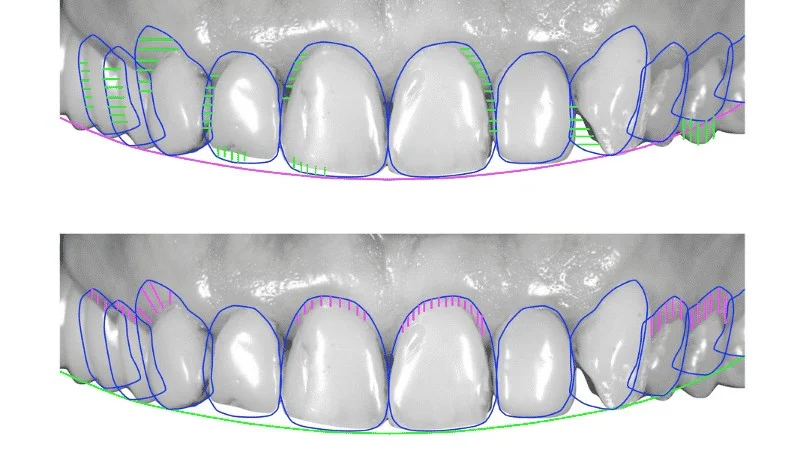

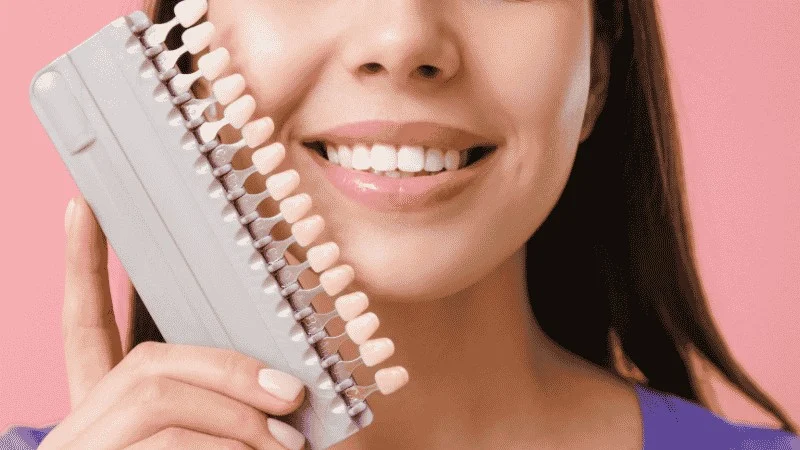
If you’re looking to improve your smile, you’ve probably come across two popular options: dental bonding and veneers. Both treatments can fix chips, gaps, stains, and other cosmetic issues with your teeth.
But if you want the gentlest approach, you need to know which one requires less work on your natural teeth.
Dental bonding is the least invasive option because it requires little to no removal of your natural tooth structure, while veneers typically need some enamel removal to fit properly.
With bonding, your cosmetic dentist applies a tooth-colored resin directly to your teeth and shapes it to fix imperfections. Veneers involve placing thin shells over your teeth, which usually means filing down some of your natural enamel first.
Understanding the difference between bonding vs veneers cost can help you make the right choice for your smile.
This article breaks down how each treatment works, what makes bonding less invasive, and which option might be best for your specific needs and goals.
Key Takeaways
- Dental bonding requires minimal or no removal of natural tooth enamel, making it the less invasive choice
- Veneers provide longer-lasting results but need some enamel reduction before placement
- Your choice between dental bonding vs veneers depends on the severity of your dental issues, budget, and how long you want results to last
Comparing Minimally Invasive Cosmetic Dental Treatments
The amount of natural tooth structure your dentist needs to remove varies significantly between bonding and veneers.
While bonding requires almost no preparation, veneers need some enamel removal to make room for the porcelain shells.
Understanding Tooth Preparation and Enamel Removal
Tooth preparation refers to how much of your natural enamel needs to be removed before a treatment can be applied. Dental bonding is minimally invasive because it requires little to no enamel removal.
Your dentist simply roughens the tooth surface and applies a conditioning liquid before adding the composite resin.
Porcelain veneers require more extensive tooth preparation. Your dentist must remove a thin layer of enamel to create space for the veneer to fit properly. This removal is permanent since enamel cannot grow back.
The difference matters because once you remove enamel, you cannot reverse the process. Composite resin bonding preserves more of your natural tooth structure, making it a more conservative option.
If you want to change your mind later, bonding can be removed and your tooth returned to its original state.
The Role of Composite and Porcelain Materials
Composite resin is a tooth-colored material that dentists mold directly onto your tooth during bonding procedures. This composite material hardens when exposed to a special curing light.
The resin matches your natural tooth color and works well for minor repairs.
Porcelain veneers are thin shells custom-made in a dental lab. The porcelain material mimics your tooth’s natural translucency and texture better than composite.
Porcelain resists staining more effectively than composite resin, helping your smile stay brighter longer.
Composite veneers also exist as an alternative to traditional porcelain veneers. These composite resin veneers require less tooth preparation than porcelain versions.
However, they may not last as long or look as natural as porcelain options.
Conservative Approaches in Cosmetic Dentistry
A conservative approach means preserving as much natural tooth structure as possible while still achieving your desired results. Composite resin bonding represents the most conservative option for minor cosmetic improvements.
Your dentist can complete a smile transformation using bonding in just one visit. This speed makes bonding ideal when you need quick improvements without major commitment.
The procedure is reversible and can be adjusted or removed if needed.
Veneers require more commitment since the enamel removal cannot be undone. However, they still qualify as a conservative treatment when compared to crowns or other major restorations.
The key is choosing the least invasive option that still meets your cosmetic goals and addresses any structural issues with your teeth.
Dental Bonding: Process, Benefits, and Considerations
Dental bonding uses tooth-colored composite resin to fix minor imperfections in your teeth through a simple, single-visit procedure.
This treatment offers a quick way to improve your smile while preserving most of your natural tooth enamel.
Step-by-Step Dental Bonding Procedure
Your dentist starts by selecting a composite resin shade that matches your natural teeth. They’ll roughen the surface of your tooth and apply a special conditioning liquid to help the material stick properly.
Next, your dentist carefully applies the tooth-colored composite to the affected area. They’ll shape and mold it to match the natural contours of your tooth. A curing light then hardens the material and bonds it to your tooth surface.
The final step involves polishing the bonded area and making small adjustments. The entire teeth bonding process takes about 30 to 60 minutes per tooth and requires only one dental visit.
Most bonding procedures need little to no tooth preparation. Your dentist typically won’t need to use anesthesia unless they’re filling a cavity or working near a nerve.
Benefits and Limitations of Composite Bonding
Composite bonding removes almost no natural tooth enamel, making it one of the least invasive cosmetic dental options available. This preservation of your tooth structure means the procedure is reversible if needed.
The bonding cost typically ranges between $100 and $600 per tooth, making it more affordable than other cosmetic treatments. Your insurance may cover part of the cost if the bonding serves both cosmetic and restorative purposes.
However, composite resin isn’t as strong as your natural teeth. The bonded material can chip or break if you bite hard foods or chew on ice. Dental bonding can also turn yellow over time from foods, drinks, and tobacco use.
Caring for dental bonding requires good oral hygiene habits. You should avoid staining foods and drinks during the first 48 hours after treatment. The bonding material typically lasts three to ten years before needing replacement.
Ideal Scenarios for Teeth Bonding
Teeth bonding works best for closing gaps between your front teeth. The composite material fills small spaces quickly without removing tooth structure.
You’re a good candidate for bonding if you have minor chips or small cracks in your teeth. This treatment can also reshape teeth that are slightly uneven or too short.
Bonding helps cover mild discoloration that doesn’t respond well to whitening treatments. It’s perfect for hiding single stained teeth or small discolored spots.
This procedure suits people who want quick smile improvement before important events. Since it only takes one visit, you can get results fast without multiple appointments.
Bonding may not work well for larger dental problems. Your dentist might recommend other treatments if you have severe discoloration, major chips, or significant tooth damage.
Veneers: Porcelain, Composite, and Modern Alternatives
Veneers come in different materials that vary in cost, durability, and how they’re applied to your teeth. The main options are porcelain shells and composite resin veneers, each offering different benefits for your smile makeover.
Types of Veneers: Porcelain vs Composite Resin
Porcelain veneers are thin shells custom-made in a dental lab to fit over the front of your teeth. They offer the most natural-looking smile because porcelain mimics how real tooth enamel reflects light.
These dental veneers work well for severe discoloration, gaps, worn teeth, and other cosmetic issues.
Composite resin veneers use tooth-colored material that your dentist applies directly to your teeth. This makes them faster to get since no lab work is needed.
Composite bonding is a quick and minimally invasive option that works best for minor repairs.
Some patients also get temporary veneers while waiting for their permanent ones. Modern alternatives like Lumineers are ultra-thin porcelain options that sometimes need less tooth preparation.
The cost of veneers depends on the material you choose and how many teeth need treatment.
The Veneer Process and Tooth Preparation
Getting porcelain veneers typically takes two visits to complete. Your dentist first prepares your teeth by removing a small amount of enamel to make room for the veneers. They then take impressions for the dental lab to create your custom shells.
Veneers require at least two visits for the full veneer process. At your second appointment, your dentist bonds the porcelain veneers to your teeth using special cement and light.
Composite veneers need less preparation. Your dentist can often apply the composite resin in one visit without removing as much enamel. This makes composite resin veneers less invasive than porcelain options.
However, the smile design possibilities may be more limited compared to lab-made porcelain shells.
Longevity, Stain Resistance, and Aesthetic Quality
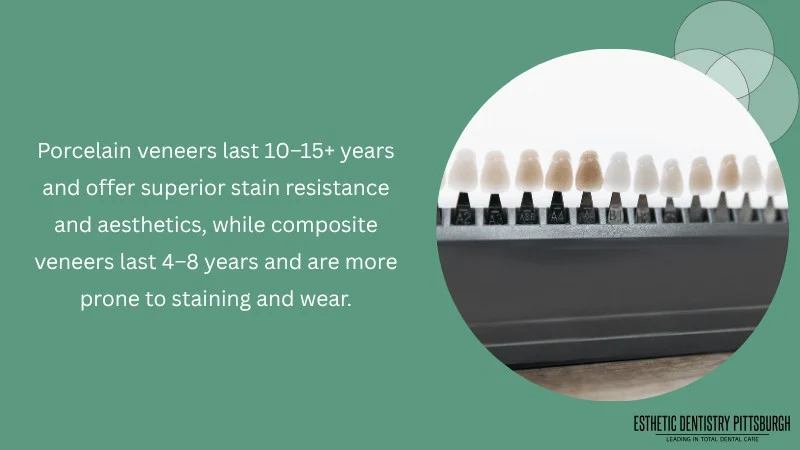
Porcelain veneers last 10 to 15 years or longer with proper care. Their veneer longevity makes them a good long-term cosmetic solution even though they cost more upfront. Porcelain also resists stains better than composite materials.
Veneer Comparison:
| Feature | Porcelain | Composite |
| Lifespan | 10-15+ years | 4-8 years |
| Stain resistance | High | Moderate |
| Aesthetic quality | Excellent | Good |
Composite resin is more prone to staining from coffee, wine, and smoking. You may need touch-ups or replacements sooner with composite options.
The aesthetic quality of porcelain veneers gives you the most realistic results. Porcelain veneers provide a more natural-looking and stain-resistant solution for significant cosmetic enhancements.
Composite veneers still improve your smile, but won’t match the translucent appearance of high-quality porcelain shells.
Key Differences: Invasiveness, Results, and Maintenance
When comparing dental bonding vs veneers, the main differences come down to how much tooth structure gets removed, how long each option lasts, and what kind of upkeep they need.
Bonding requires minimal tooth preparation while veneers involve permanent changes to your natural teeth.
Bonding vs Veneers: Cost, Durability, and Reversibility
The cost difference between bonding and veneers is significant. Dental bonding typically costs $300 to $600 per tooth, making it the more budget-friendly choice.
Veneers cost between $1,000 and $2,500 per tooth, which is a much bigger upfront investment.
However, the long-term cost picture changes when you factor in durability. Bonding lasts 3 to 10 years before needing replacement or touch-ups. Veneers can last 10 to 15 years or even longer with proper care.
Reversibility is a major consideration. Bonding is reversible since your dentist applies composite resin directly to your tooth without removing much enamel.
Veneers require an irreversible procedure where your dentist permanently removes a thin layer of enamel to make room for the shells. Once you get veneers, you’ll always need some kind of covering on those teeth.
Translucency and Appearance in Smile Makeovers
Porcelain veneers offer superior translucency that mimics natural tooth enamel. They reflect light the same way your real teeth do, creating a more realistic appearance in your smile makeover.
The custom-made shells blend seamlessly with your surrounding teeth.
Dental bonding uses composite resin that can look slightly more opaque. While modern bonding materials have improved significantly, they don’t quite match the natural translucency of porcelain. Bonding also stains more easily over time from coffee, tea, and red wine.
For major cosmetic changes, veneers typically deliver better aesthetic results. Bonding works well for small chips or gaps but may not give you the flawless look you want for a complete smile transformation.
Caring for Veneers and Bonded Teeth
Both options need regular maintenance through daily brushing, flossing, and professional cleanings. You should schedule dental check-ups every six months to monitor the condition of your bonding or veneers.
Caring for veneers requires less ongoing work since they resist stains better than bonding. You can brush them like normal teeth and don’t need special products. Avoid biting hard objects like ice or using your teeth to open packages.
Bonded teeth need more attention to prevent discoloration. Your dentist may recommend touch-ups every few years to maintain their appearance. Avoid foods and drinks that stain, or rinse your mouth after consuming them.
Choosing the Best Cosmetic Dental Option for Your Smile
Your choice between bonding and veneers depends on your specific dental concerns, budget, and how much preparation you’re comfortable with.
A cosmetic dentist will evaluate your natural tooth enamel and discuss what works best for your lifestyle.
Personalized Smile Design and Consultation
Your cosmetic dentist will start by examining your teeth and discussing your goals for smile improvement. They’ll look at the condition of your natural tooth enamel to determine which cosmetic dental treatment makes sense for you.
During the consultation, your dentist will consider several factors:
- Severity of concerns: Minor chips and small gaps often work well with bonding, while more noticeable discoloration or multiple issues may need veneers
- Enamel condition: If you have thin enamel already, removing more for veneers might not be ideal
- Budget: Bonding typically costs less upfront than veneers
- Timeline: Bonding takes one visit, while veneers need multiple appointments
Your dentist may take photos and X-rays to create a personalized smile design plan. They’ll show you what results you can expect from each option. This helps you visualize your smile transformation before committing to treatment.
Making the Right Choice for Your Needs and Lifestyle
Think about what matters most to you when selecting cosmetic dental treatments. If you need a quick fix before an important event, bonding offers immediate results in one appointment.
For a long-term cosmetic solution, veneers can address more severe issues like significant staining or larger gaps. They resist stains better than bonding material and can last longer with proper care.
Consider your daily habits too. If you drink coffee or wine regularly, veneers maintain their color better. If you’re budget-conscious and dealing with minor cosmetic fixes, bonding provides good results at a lower cost.
Your dentist can help you weigh these factors based on your specific situation.
Frequently Asked Questions
People often have similar questions when deciding between these two cosmetic dental treatments. Cost, longevity, and appearance are common concerns that affect which option works best for your specific dental needs.
What’s the difference between dental bonding and veneers for improving the look of your teeth?
Dental bonding uses tooth-colored composite resin applied directly to your tooth surface. Your dentist shapes and molds the resin material to fix small chips, cracks, or gaps in a single visit.
Veneers are thin porcelain shells that are custom-made in a lab to fit over the front of your teeth. They require your dentist to remove a small layer of enamel first to make room for the veneer.
The main difference is that bonding is done in one appointment and removes almost no enamel. Veneers take multiple visits and require more enamel removal, making them more permanent.
How do the costs of dental bonding and veneers compare in typical cases?
Dental bonding is the more budget-friendly option of the two treatments. Bonding is typically a faster, more affordable choice that works well for minor repairs.
Veneers cost significantly more because they involve custom fabrication in a dental lab. The process also requires more dentist time across multiple appointments.
Your dental insurance may cover bonding if it serves a functional purpose like fixing a chip. Veneers for cosmetic purposes alone usually aren’t covered by insurance plans.
How long does dental bonding usually last compared with veneers?
Bonding typically lasts between three to ten years depending on how well you care for it. The composite resin material can chip or stain over time, especially if you bite hard foods or have habits like nail biting.
Veneers generally last longer, often between ten to fifteen years or more with proper care. The porcelain material resists staining better than bonding resin and holds up well to normal wear.
Both options require good oral hygiene and regular dental visits to maximize their lifespan. You’ll need to replace either treatment eventually, but veneers offer a longer-lasting solution.
Can I see before-and-after examples of bonding versus veneers for similar smile concerns?
Your dentist can show you before-and-after photos of previous patients who had similar dental concerns. Many dental offices keep portfolios of their cosmetic work to help you visualize potential results.
Veneers look slightly more natural since they’re custom-made from porcelain to match your tooth’s texture and translucency. The porcelain material mimics natural tooth enamel more closely than composite resin.
Bonding can still provide great results for minor fixes, but the resin may not match your natural teeth quite as seamlessly. The difference is often subtle and may only be noticeable up close.
Why do some people choose veneers instead of bonding for chips, gaps, or discoloration?
Veneers work better for more significant cosmetic issues that bonding can’t fully address. Veneers can correct more major problems like severe discoloration, larger chips, or multiple dental concerns at once.
Some people prefer veneers because they want a long-term solution that won’t need frequent touch-ups. The durability and stain resistance of porcelain make veneers a smart investment for a lasting smile transformation.
Veneers also provide more dramatic results if you’re looking for a complete smile makeover. You can change the size, shape, and color of multiple teeth to create a uniform, bright appearance.
Is dental bonding a good option if you have enamel loss, and how does it compare with veneer alternatives?
Bonding can be a good choice for enamel loss because it removes very little additional enamel during the procedure. Bonding is minimally invasive and removes almost no tooth enamel, making it gentler on teeth that are already compromised.
If your enamel loss is significant, veneers might actually provide better protection for the remaining tooth structure. The porcelain shell covers and protects the entire front surface of your tooth.
Your dentist will need to evaluate the extent of your enamel loss to recommend the best option. Sometimes bonding works well for small areas, while veneers offer more comprehensive coverage for extensive enamel wear.